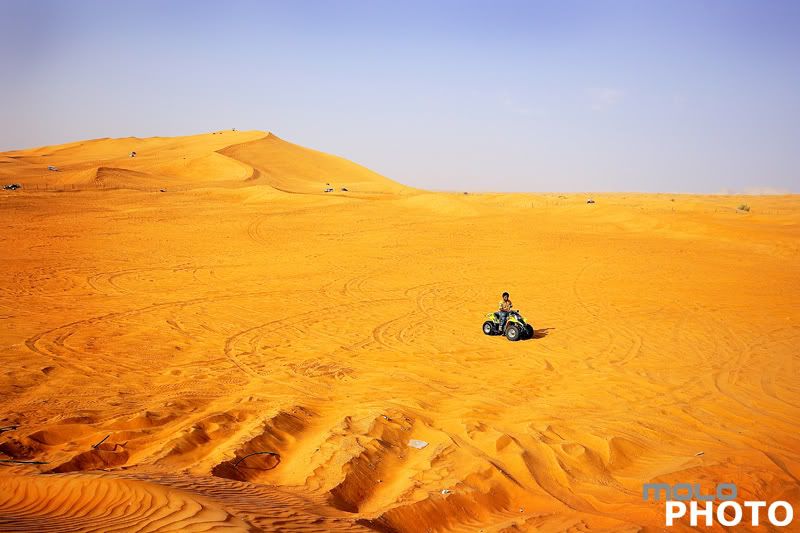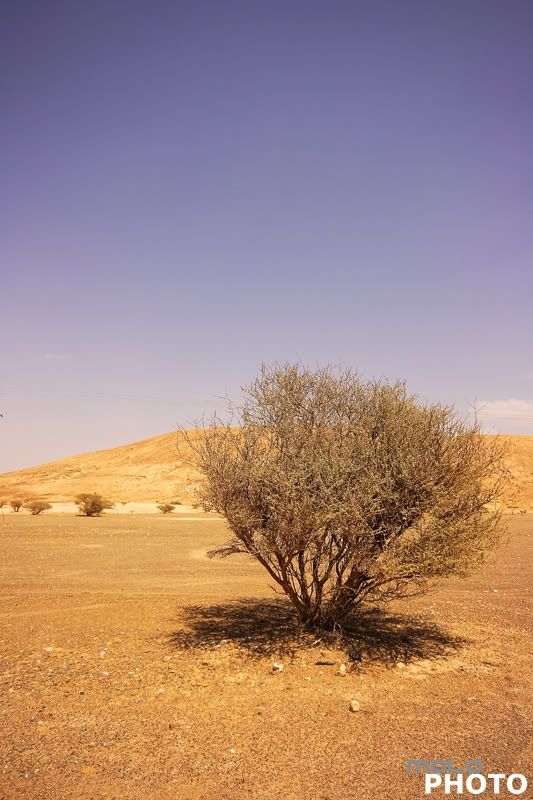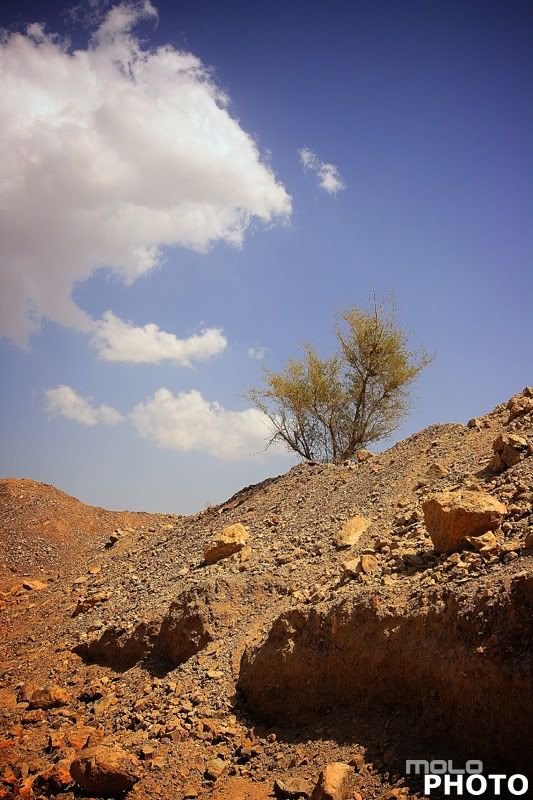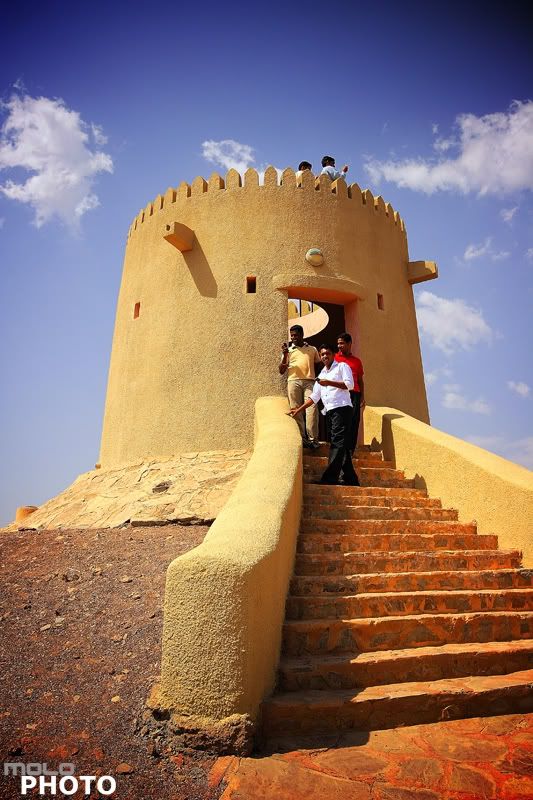
Sunday, December 21, 2008

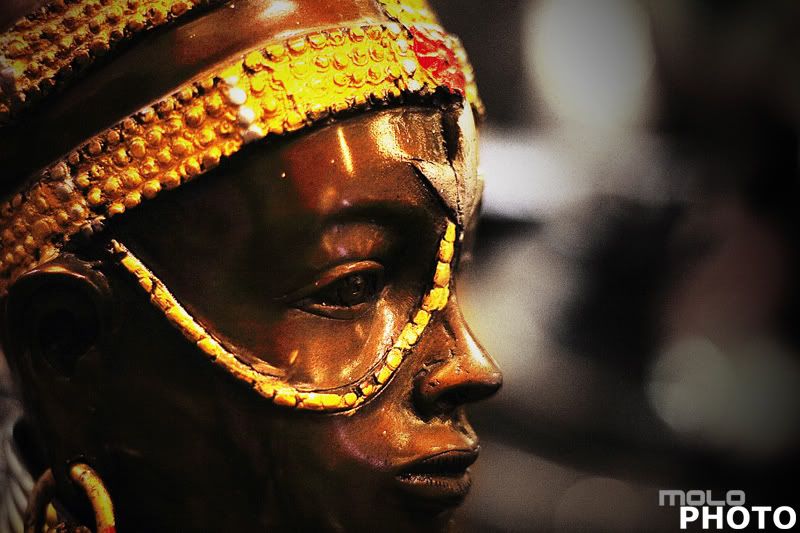
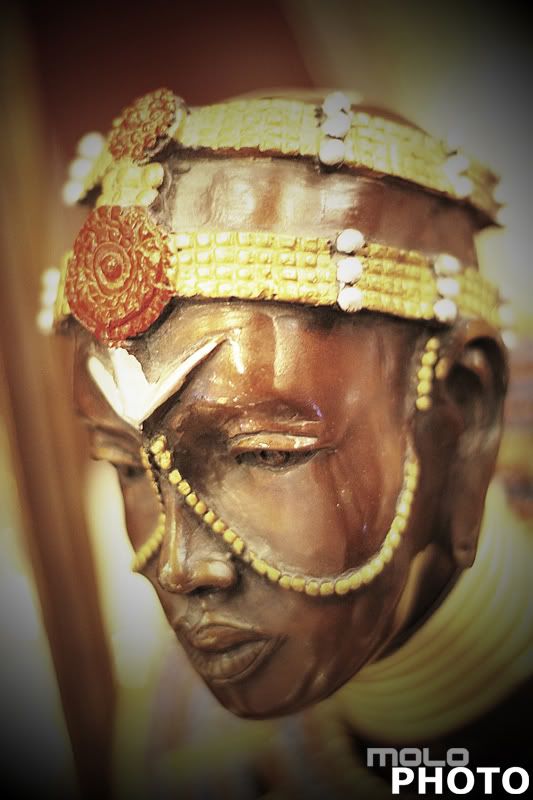
woman from africa


Exif  
Camera Model: Canon 400D
Shutter Speed: 1/13 sec.  
Lens Aperture: F/1.8  
ISO: 400  
Focal Length: 50mm  
Exposure Program: Aperture Priority

Friday, December 19, 2008

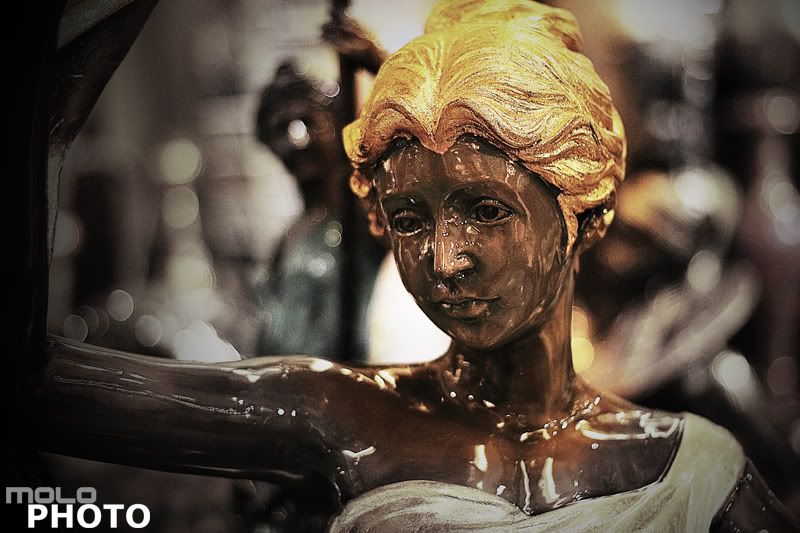
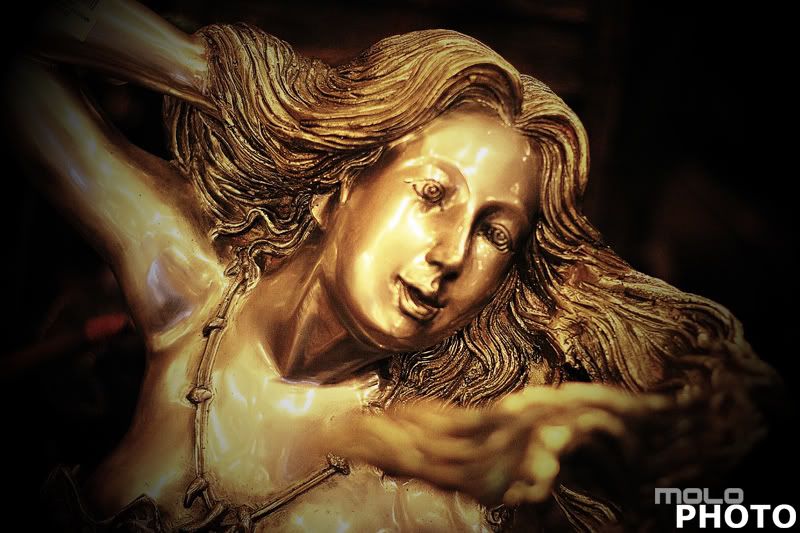
mermaid


Exif  
Camera Model: Canon 400D
Shutter Speed: 1/60 sec.  
Lens Aperture: F/1.8  
ISO: 400  
Focal Length: 50mm  
Exposure Program: Aperture Priority
Wednesday, December 17, 2008

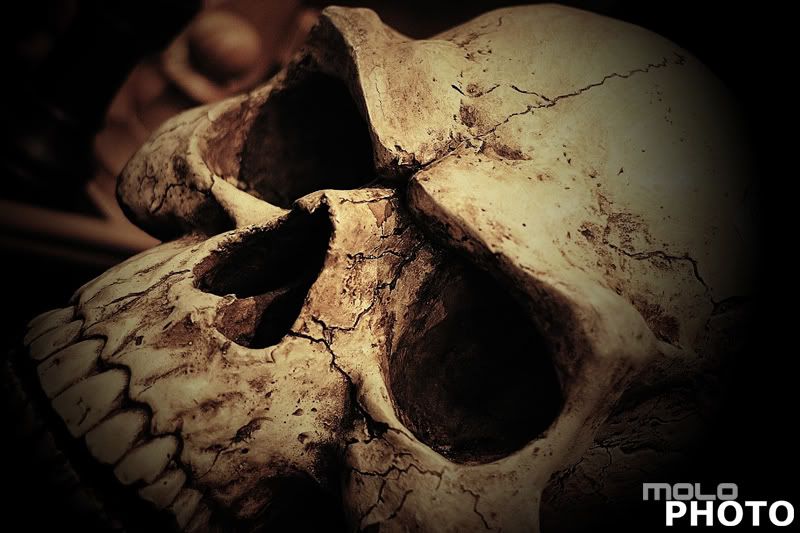
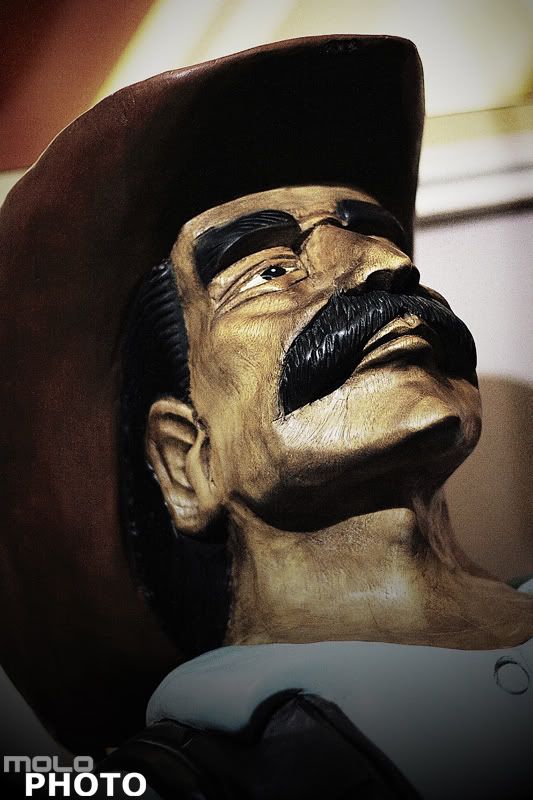
western style


Exif  
Camera Model: Canon 400D
Shutter Speed: 1/80 sec.  
Lens Aperture: F/1.8  
ISO: 400  
Focal Length: 50mm  
Exposure Program: Manual

Monday, December 15, 2008

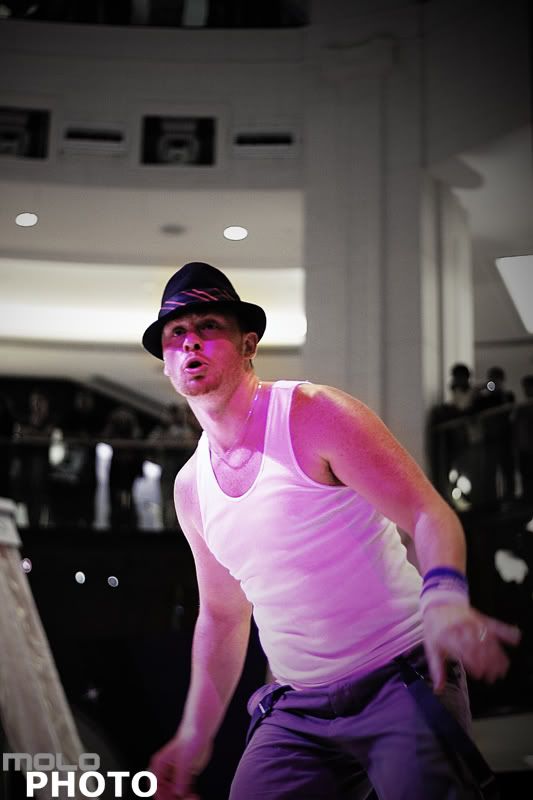
longest stare


Exif  
Camera Model: Canon 400D
Shutter Speed: 1/80 sec.  
Lens Aperture: F/1.8  
ISO: 400  
Focal Length: 50mm  
Exposure Program: Manual

Saturday, December 13, 2008

muse


Exif  
Camera Model: Canon 400D
Shutter Speed: 1/80 sec.  
Lens Aperture: F/1.8  
ISO: 400  
Focal Length: 50mm  
Exposure Program: Manual

Thursday, December 11, 2008

all that remains


Exif  
Camera Model: Canon 400D
Shutter Speed: 1/80 sec.  
Lens Aperture: F/1.8  
ISO: 400  
Focal Length: 50mm  
Exposure Program: Manual

Tuesday, December 9, 2008

last pose


Exif  
Camera Model: Canon 400D
Shutter Speed: 1/80 sec.  
Lens Aperture: F/1.8  
ISO: 400  
Focal Length: 50mm  
Exposure Program: Manual

Sunday, December 7, 2008

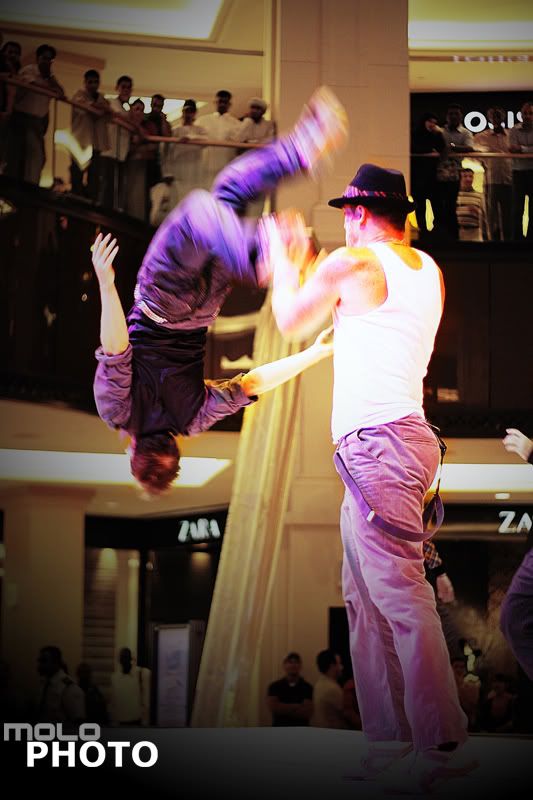
lift for back flip


Exif  
Camera Model: Canon 400D  
Lens Aperture: F/1.8  
ISO: 400  
Focal Length: 50mm  
Exposure Program: Manual

Friday, December 5, 2008

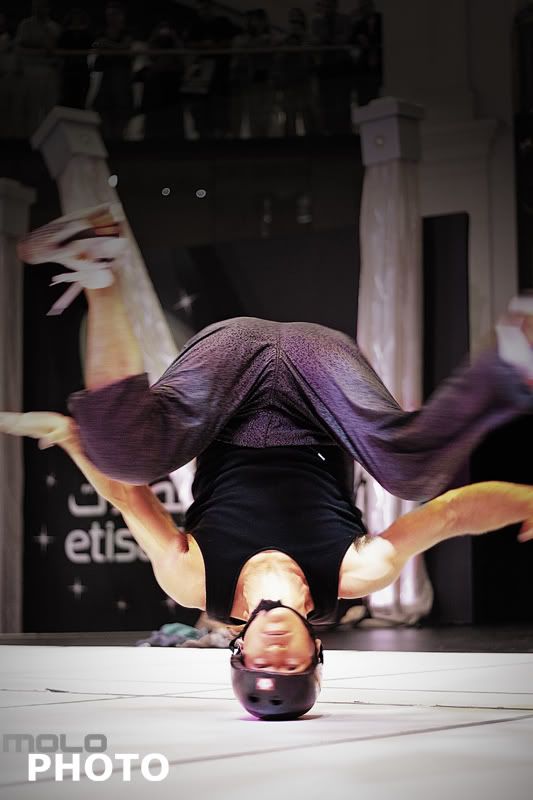
head spin


Exif  
Camera Model: Canon 400D
Shutter Speed: 1/80 sec.  
Lens Aperture: F/1.8  
ISO: 400  
Focal Length: 50mm  
Exposure Program: Manual

Wednesday, December 3, 2008

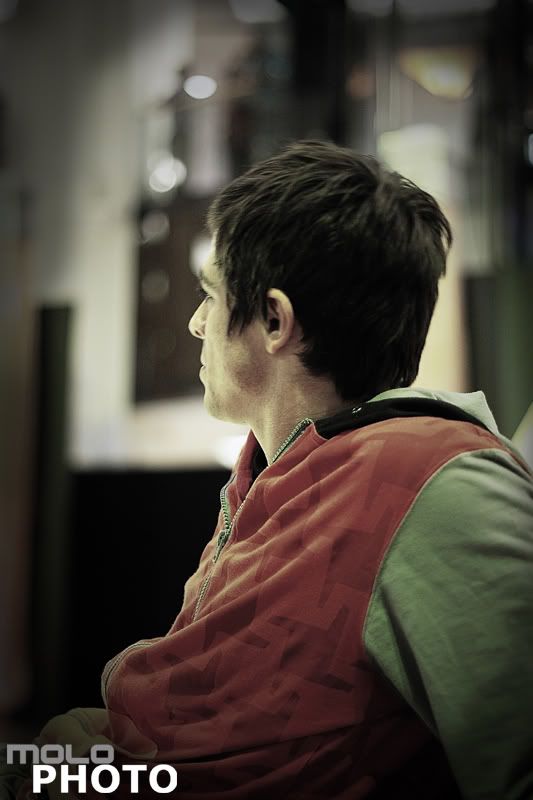
taking a break from break dancing


Exif  
Camera Model: Canon 400D
Shutter Speed: 1/40 sec.  
Lens Aperture: F/1.8  
ISO: 400  
Focal Length: 50mm  
Exposure Program: Manual

Monday, December 1, 2008

dancers at emirates mall


Exif  
Camera Model: Canon 400D
Shutter Speed: 1/30 sec.  
Lens Aperture: F/1.8  
ISO: 100  
Focal Length: 50mm  
Exposure Program: Aperture Priority
Sunday, November 30, 2008

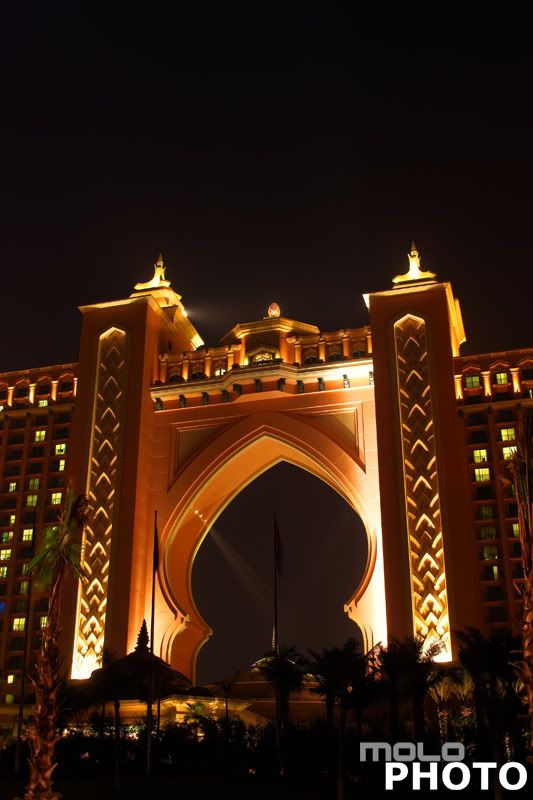
atlantis in hdr

Exif  
Camera Model: Canon 400D  
Lens Aperture: F/8  
ISO: 100  
Focal Length: 27mm  
Exposure Program: Aperture Priority

Friday, November 28, 2008

atlantis panorama


Exif  
Camera Model: Canon 400D  
Shutter Speed: 10 sec.  
Lens Aperture: F/8  
ISO: 100  
Focal Length: 18mm  
Exposure Program: Manual

Wednesday, November 26, 2008

the father


Exif  
Camera Model: Canon 400D  
Shutter Speed: 1/60 sec.  
Lens Aperture: F/1.8 
ISO: 800  
Focal Length: 50mm  
Exposure Program: Aperture Priority
Monday, November 24, 2008

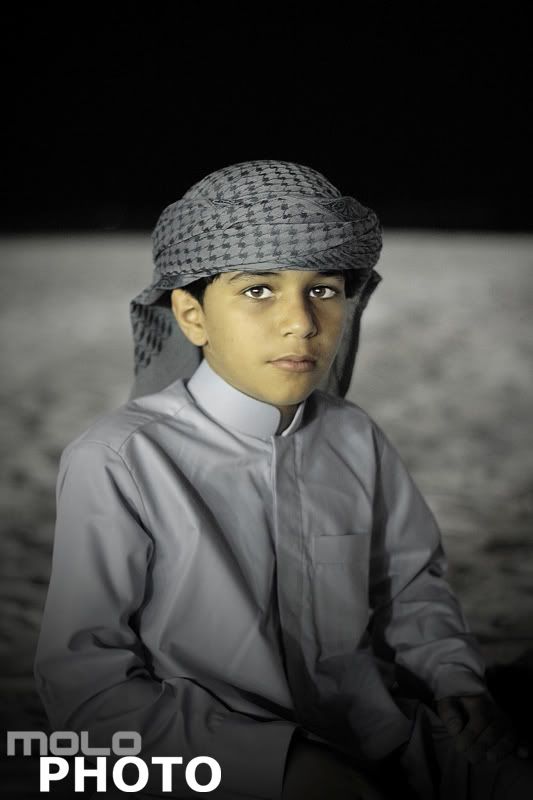
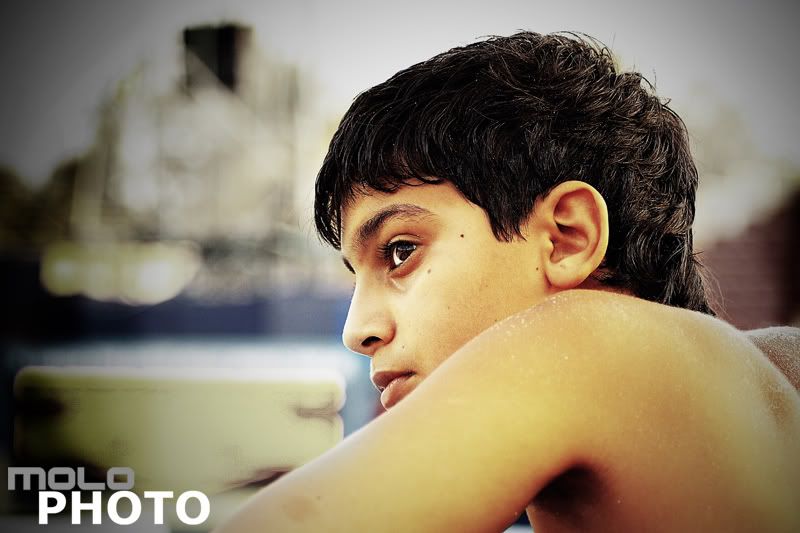
the son


Exif  
Camera Model: Canon 400D  
Shutter Speed: 1/40 sec.  
Lens Aperture: F/1.8 
ISO: 800  
Focal Length: 50mm  
Exposure Program: Aperture Priority

Saturday, November 22, 2008

beach bum


Exif  
Camera Model: Canon 400D  
Shutter Speed: 1/30 sec.  
Lens Aperture: F/1.8 
ISO: 800  
Focal Length: 50mm  
Exposure Program: Aperture Priority

Thursday, November 20, 2008

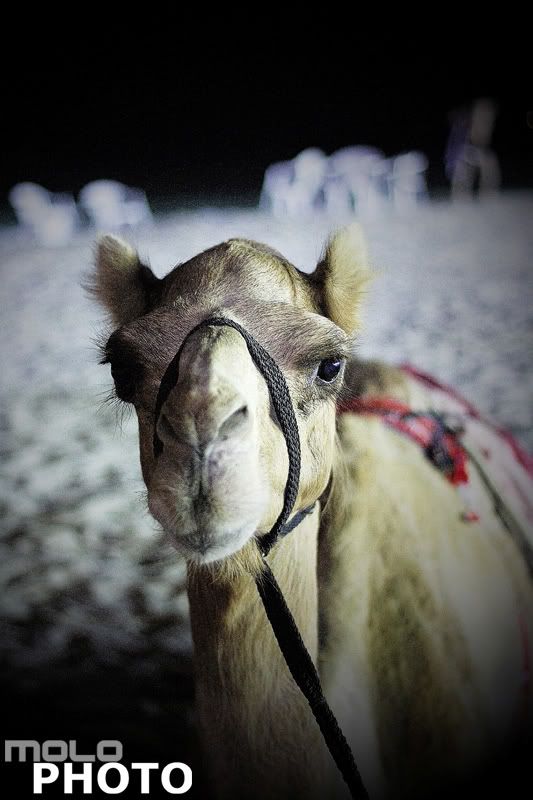
curious


Exif  
Camera Model: Canon 400D  
Shutter Speed: 1/125 sec.  
Lens Aperture: F/4 
ISO: 400  
Focal Length: 70mm  
Exposure Program: Aperture Priority

Tuesday, November 18, 2008

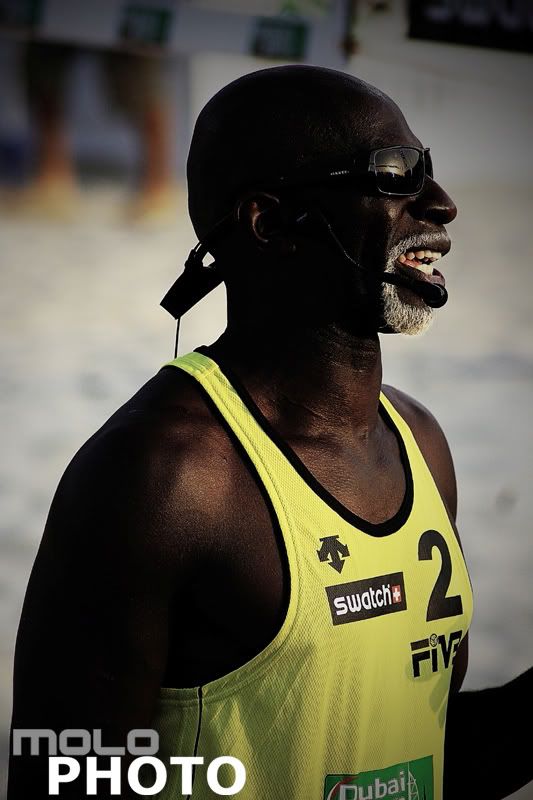
dubai beach volleyball 2008 emcee


Exif  
Camera Model: Canon 400D  
Shutter Speed: 1/800 sec.  
Lens Aperture: F/5.6 
ISO: 400  
Focal Length: 200mm  
Exposure Program: Manual

Monday, November 17, 2008

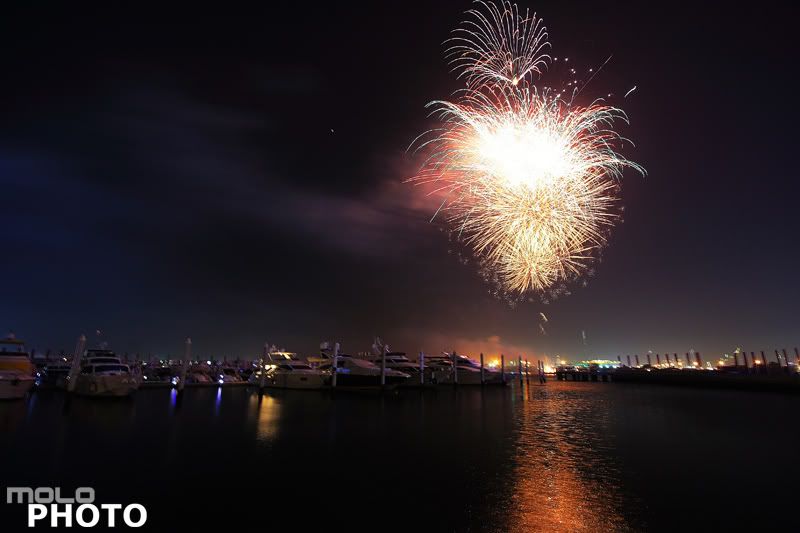
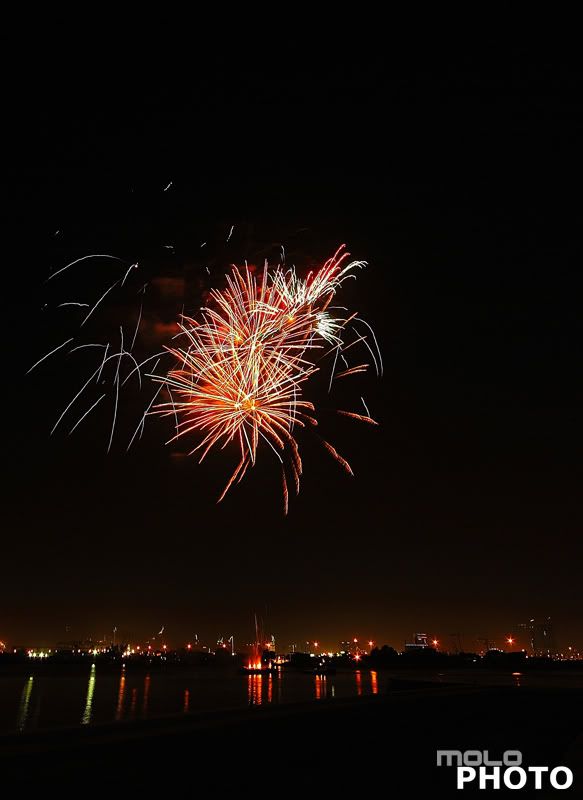
eid fireworks 2008 6 of 6


Exif 
Camera Model: Canon 400D 
Shutter Speed: 10 sec. 
Lens Aperture: F/8 
ISO: 100 
Focal Length: 10mm 
Exposure Program: Manual

Saturday, November 15, 2008

eid fireworks 2008 5 of 6


Exif 
Camera Model: Canon 400D 
Shutter Speed: 10 sec. 
Lens Aperture: F/8 
ISO: 100 
Focal Length: 10mm 
Exposure Program: Manual

Friday, November 14, 2008

Better Photo Tips - Studio Light Patterns

by Tedric Garrison

Hair Lights, Back Lights, and Barn Doors, oh my! Studio Lighting can be very overwhelming when you first start getting into it. Some photographers out there have thousands of dollars of accessories associated with their studio setup. The good news is, you don’t have to be rich to enter into the world of studio portraits. Think about it. How many light sources did God create for earth? If you said "One" meaning the sun; you were almost right. He also created the sky and the ground to "bounce" that light into the shadows. Light that is bounced back is commonly referred to as a "fill light". If there was no fill light on earth; anything not directly lit by the sun, would have NO DETAIL, it would all be totally black.

It is astounding how much you can do with one main light and one or two fill lights. For those of you thinking three lights doesn’t sound simple to me, let me clarify. In this article what I am describing is one light and one or two reflective surfaces to help bounce that light or to fill in the shadows. With one light and one or more reflectors, you can make amazing photographs.

Having the tools and knowing what to do with those tools are two different things. Today I want to show you what to do with these basic tools.

1) Short Light is the type of studio lighting setup, where the face side of the subject which is the farthest from the camera gets the main light. In this type of lighting setup, the side of the face which is toward the camera gets less light then the side facing away form the camera. The effect you get when using this lighting setup is a thin face, this is why it is good to photograph large (or chubby) people with a short light setup. A photo tip worth remembering is: short light helps to visually thin your subject.

2) Broad light is just the opposite of Short light. In the Broad Light setup, the side that is getting the most light is the side facing the camera. This setup is less commonly used for portraits as it tends to make people look chubby. In both these cases, you can place a reflector on the opposite side of the light (at about a 45 degree angle) to help fill in the shadow side.

3) Split Light sounds more complex than it is. Position your main light on one side of your subject so that it’s exactly 90 degrees to the subject. In other words, you will see a dramatic shadow going right down to the middle of his or her face. If your main light is a flash, you might want to consider a secondary light; not for exposure . . . but just for light placement. We call this small secondary light a modeling light. In some units, they actually have a modeling light built in around the main light, so you can visually see what’s happening. Using the modeling light, make sure the line between light and dark runs directly down the center of your model’s face, right down the tip of the nose. The model should be looking directly at the camera. This is what we call a split light portrait. Another photo tip is this: split light portraits, create dramatic visual results.

4) Rembrandt Light is considered an artistic classic. The main light is positioned high and on the side of the face that is away from the camera. Generally the subject is placed at a 45 degree angle to the camera (as opposed to just looking straight on.) This technique produces an illuminated triangle on the cheek closest to the camera. The triangle will illuminate just under the eye and not below the nose. The face should appear illuminated on one side and heavily shadowed on the other.

Place your reflector (or white poster board) on the opposite side of the studio light. The reflector should be angled so that it reflects any remaining light in the room to the subject's darken side. The key here is NOT to eliminate the dark shadows, but to add detail within the shadows. The third photo tip to remember: adding subtle detail makes images appear more artistic.

5.) Butterfly Light is achieved by positioning the main light directly in front of the subjects face and adjusting the height to create a shadow directly under, and in line with the nose. This style is best suited for subjects with a normal oval face and is considered to be a glamour style of lighting best suited for women. This lighting technique creates hard shadows in the eye sockets and under the chin depending on the size of your main light and distance to your subject. Use a reflector under the main light source to fill in the underside of the face (eye sockets, under nose and under chin areas). Sometimes this is referred to as "over and under lighting".

Now the setups given above; can use extra lights, but they don’t have to. Just as you can take an award winning photographs with a $50.00 camera or a $5,000.00 camera, you can also take great shots with a single light source. As we mentioned before, having the tools and knowing what to do with them are two totally different things.

It is my firm belief that photographers who learned to master Black and White photography first and then learned Color photography; will ALWAYS have the advantage over those who started with color photography. This is not meant to insult younger photographers. If a cake taste bad, it doesn’t matter what kind of icing you put on it. Learn the basics of good photography first, and then you can add more lights, more lenses, or whatever the case may be. Thus the fourth photo tip to remember is this: start with the basics, master them first. Then go forward.

Award winning writer / photographer Tedric Garrison has 30 years experience in photography. As a Graphic Art Major, he has a unique perspective on the Elements of Design and how those elements relate to all aspects of photography. His photo eBook (Your Creative Edge) proves that creativity CAN be taught. Tedric shares his wealth of knowledge with the world, at: Better Photo Tips.com

Article Source: http://www.ArticleBiz.com

Disclamer:
The opinions expressed by authors in this blog are their own and in no way represent the opinions of the owner and or administrator of molophoto blog. Molophoto bears no responsibility for any opinion expressed by any contributing author and or article.

Thursday, November 13, 2008

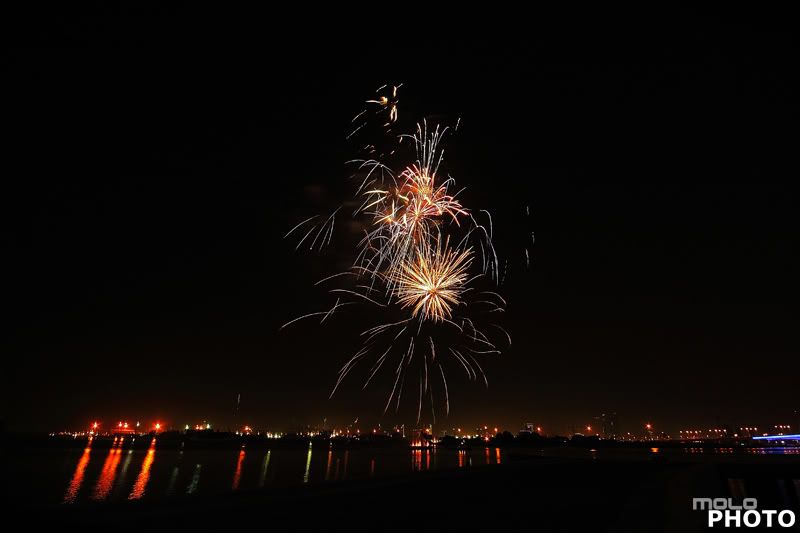
eid fireworks 2008 4 of 6


Exif 
Camera Model: Canon 400D 
Shutter Speed: 10 sec. 
Lens Aperture: F/8 
ISO: 100 
Focal Length: 10mm 
Exposure Program: Manual

Wednesday, November 12, 2008

The advantages of using Infrared Filter

by Jessica Thomson

Light rays that are falling on us have three components. They are the ultra violet rays, the visible light we generally see and the infra red rays. An infrared filter blocks all lights except infrared rays to pass through the filter. These filters were initially developed for taking photographs using infrared light. The films used were sensitive to infrared lights. Infrared photography has been extended to digital cameras. These cameras use image sensors which are sensitive to infrared lights.
Besides use in infrared photography, these filters are used in many other areas.
These filters are being used in the industries. These filters enable to see through objects that are not visible to naked eyes under normal light. Water and other fluids absorb specific wavelengths. By using infrared filters, it can be ascertained whether a container has been filled. By using these filters, we can see through the labels to detect the fluids stored inside or we can detect the presence of any foreign materials.
These filters also find application in security and surveillance applications. By using infrared light source (which will not be visible to the naked eye) and using infrared sensitive cameras or binoculars any movement made in the darkness of the night could be easily monitored.
Similarly, by using these filters and infrared light source, it would be possible to keep watch on the movement of wild animals in the forest in the night. The hunters could also utilize this facility for game hunting in the night.
These filters used along with an infrared light source could enable the parents to keep watch on their children without turning the lights on.
It has been seen that using a camera with an infrared filter in the daytime, sometimes we could see through the clothing.
For some applications, it may be required to that the filter would reflect infrared light instead of allowing it to pass through. This type of filter has been used in Silver Cloud's Heat Shield display filter windows so that heat of infrared light does not affect in outdoor applications.
Digital camera sensors are generally sensitive to infrared lights. This sensitivity could interfere with its functioning while taking photographs under normal lighting. Therefore, to improve the quality of pictures taken by these cameras, they are fitted with infrared filters which block infrared lights. These cameras would not be suitable for taking infrared photography.
For taking infrared photography using digital cameras, these blocking filters are removed and infrared filter is fitted in these cameras which allow only infrared light to pass. Special digital cameras are being developed for taking infrared photography to be taken from satellites or for taking photo using infrared radiation (Thermographic camera).

For more insights and further information about Optical Filter visit our site http://www.instrumentplastics.com

Article Source: http://www.ArticleBiz.com

Disclamer:
The opinions expressed by authors in this blog are their own and in no way represent the opinions of the owner and or administrator of molophoto blog. Molophoto bears no responsibility for any opinion expressed by any contributing author and or article.

Tuesday, November 11, 2008

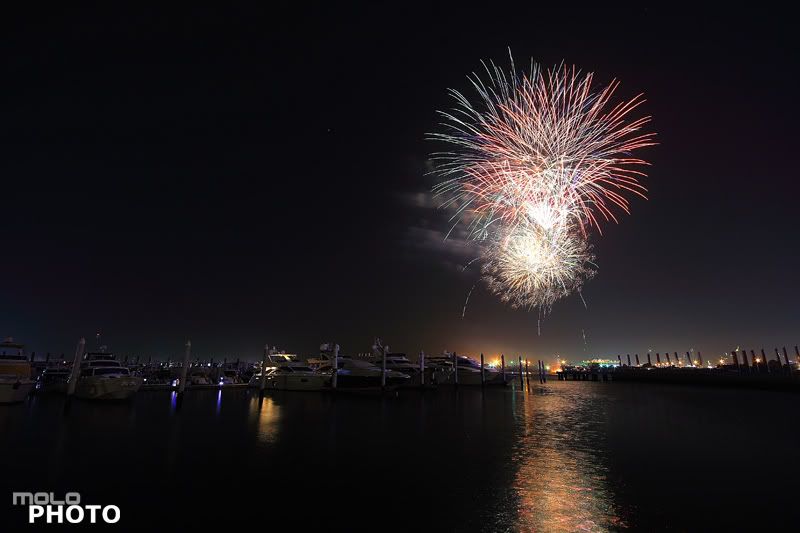
eid fireworks 2008 3 of 6


Exif 
Camera Model: Canon 400D 
Shutter Speed: 10 sec. 
Lens Aperture: F/8 
ISO: 100 
Focal Length: 10mm 
Exposure Program: Manual

Monday, November 10, 2008

Wildlife Photography: It's All In The Eyes.

by Andrew Goodall

Wildlife photography is immensely rewarding, but also particularly challenging. As a photographer you have to have all the skills of everyday photography, plus you are dealing with a subject that has no interest in having its photo taken.

For an experienced photographer, there are so many things one would love to pass on to beginners to help them get started. Good lighting is essential. Timing and composition are subtle arts that come with lots of patience and experience. But what is the one golden rule of wildlife photography that one should learn above all else?

It's all in the eyes.

Photographing wildlife is not the same as photographing a landscape or an inanimate object. Your wildlife subject has eyes, and our natural tendency as humans is to make eye contact. As a result, if you can capture the eyes effectively in a wildlife photograph, you have achieved the main ingredient of a great image.

Take a look at some of the great wildlife photography to be found in print and on the internet. You will notice that very often a picture only shows part of the animal, and perhaps much of what is visible is out of focus. The subject may be half-hidden behind a bush or lost in shadow.

Despite all these 'problems' the photos are successful. Who knows, maybe they have won an award or two. How can this be? Because the eyes are captured in a compelling way that creates a bond between the subject and the viewer.

What's even more remarkable is that the subject does not have to be looking at the camera for the eyes to have impact on the picture. With our natural instinct to try to make eye contact, we are inclined to look first at the eyes of a subject and to follow its gaze. So if the subject is looking to the left, our eyes will tend to wander in that direction.

Imagine the power this can have in a composition. By using the position of the subject and the direction of its gaze, you can actually influence the way your viewer looks at your picture. For example, imagine a scene with a kangaroo and a striking tree in the background. Position yourself so the kangaroo is on the left and the tree is on the right. If you take your shot when the kangaroo is looking to the right (towards the tree), you will have created a composition that brings the two elements of the picture together. People will first notice the kangaroo, then follow its gaze to take a better look at the tree.

This is a great method of creating structure in your composition, but it also adds a little bit of pressure on you to get it right.

Two simple tips can help you make the most of the impact of the eyes in your wildlife photo. To begin with, photograph your subjects when the light is soft and even, to eliminate harsh shadows across the face of the subject. This is a simple matter of shooting early or late in the day when the sun is low, or on cloudy days when shadows are not a problem.

Secondly, make sure the subject is facing toward the centre of the photo. Remember that just as the eyes can lead the viewer into the picture, they can also lead the viewer out of the picture. When your animal subject is on the right, try to catch it facing left (and vice-versa).

These are just simple guidelines. As in all nature photography, every rule is made to be broken. You will sometimes find situations where these tips just don't work for your picture. You may even decide to break with convention from time to time, just to create a different kind of impact. However, even when you decide to try something different, never forget the power of the eyes in your wildlife photography. In most cases, it means the difference between a snapshot and something really special.

http://www.naturesimage.com.au is the place to find "Photography in Plain English," the top selling ebook for beginners by Andrew Goodall. You can also see a huge range of Andrew's wildlife and landscape photography, and sign up to the free online newsletter.

Article Source: http://www.ArticleBiz.com

Disclamer:
The opinions expressed by authors in this blog are their own and in no way represent the opinions of the owner and or administrator of molophoto blog. Molophoto bears no responsibility for any opinion expressed by any contributing author and or article.

Sunday, November 9, 2008

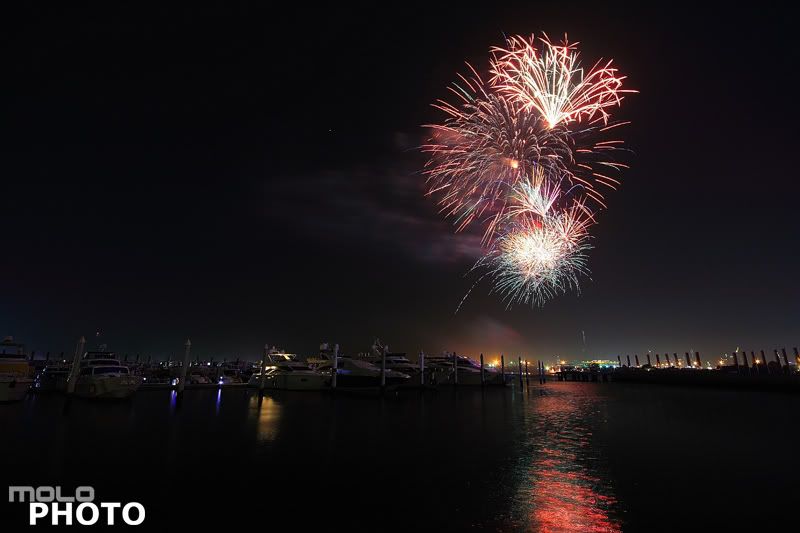
eid fireworks 2008 2 of 6


Exif 
Camera Model: Canon 400D 
Shutter Speed: 3.2 sec. 
Lens Aperture: F/8 
ISO: 100 
Focal Length: 10mm 
Exposure Program: Manual

Saturday, November 8, 2008

How To Know Your Digital Camera Type

by Roberto Sedycias

Photography is one of the most popular hobbies of many people around the world. Almost every individual with a camera creates his own world of pictures, least bothering the types of camera he is using. Most of the digital camera users have little or no idea on the configuration of the gadgets they have. Some people purchase digital cameras without caring to figure out what type of digital camera will best serve their purpose.

However, professional photographers know their needs pretty well in this regard. But it is wise for anyone to know the type of digital cameras before investing in one of them. Digital camera has many advanced features that the traditional cameras lack. But if you go through the minute details of each type of digital cameras you will find them differing from each other in their features and functionality.

Compact digital camera:

Generally, a regular sized digital camera is smaller in size. But if you are opting for a compact digital camera you will find them as portable as to keep them in your pocket or small purse. They are also available with LCD monitors with sensor image stabilization, dust reduction, wireless remote controller and image resolution quality. The LCD monitor shows the view of the picture to be taken and hence, helps capturing perfect images.

The image sensor tends to catch dirt and debris. But the dust reduction system removes dirt from it. The image stabilization mode of the digital camera sharpens the image by eliminating camera shake. The portable and lightweight digital camera with multiple features varies in its price depending on its features.

Point and Shoot digital camera:

Digital cameras of this category do not need a lot of creativity on the part of the user and therefore, are good for any user. It is easy to use and have many controls that don`t need much of your involvement while taking the snaps. The powerful camera has compositional technology which can be wonderfully used not only for photography but also for video taping, paining and some of the other visual media.

Though the camera has its limitations like lack of flexibility, you still can capture your memories with great pictures if you are smart to use the compositional technology. It is the best digital camera for the beginners. As any other digital camera they are also small light weight and the picture can be viewed on the screen before taking it.

Digital SLR camera:

A digital SLR camera is a digital camera with single lens reflex system. It has got a small mirror between the lens and camera films. The technology of this high-end camera creates more image control and focusing for the photographer. Also, this type of digital camera is developed with mega pixels. The number of pixels present is responsible for the clarity of picture.

Advanced digital camera:

The advanced digital cameras have got some advantages over the basic digital cameras. This type of digital camera is available with fully automatic, manual or semi-automatic control. The astounding digital camera captures amazing images with ease of handling. The extremely simple interface allows the user easily understand its functionality. The advanced LCD screen, megapixels and optical zoom makes the advanced digital camera feasible for professional and personal use.

Before taking your digital camera you can go through some reviews that give clear picture of every type of camera, its feature and functionality. Ask some of the digital camera owners about the pros and cons of the models they own. Try out many models of digital cameras before you settle down for the right digital camera for your purpose. Happy Buying!!!

This article can be accessed in portuguese from the Article section of page www.polomercantil.com.br/camera-digital.php Roberto Sedycias works as IT consultant for www.PoloMercantil.com.br

Article Source: http://www.ArticleBiz.com

Disclamer:
The opinions expressed by authors in this blog are their own and in no way represent the opinions of the owner and or administrator of molophoto blog. Molophoto bears no responsibility for any opinion expressed by any contributing author and or article.

Friday, November 7, 2008

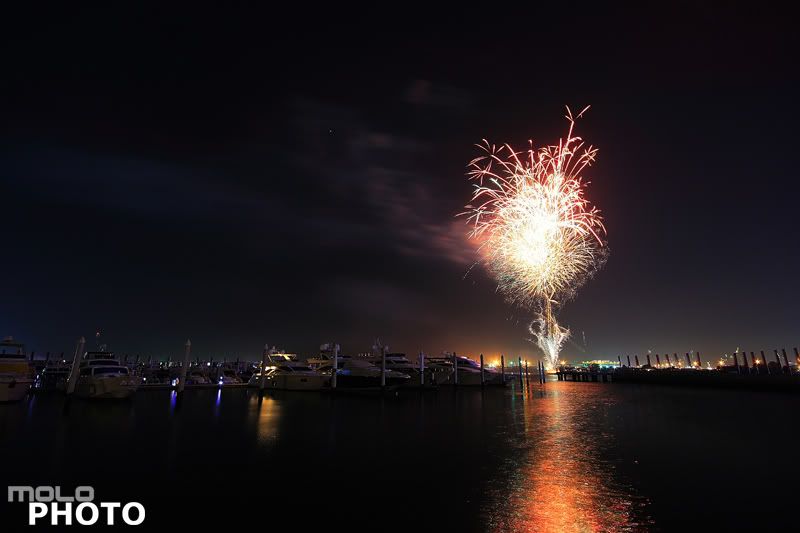
eid 2008 fireworks 1 of 6

Exif
Camera Model: Canon 400D
Shutter Speed: 3.2 sec.
Lens Aperture: F/8
ISO: 100
Focal Length: 10mm
Exposure Program: Manual
Camera Model: Canon 400D

Thursday, November 6, 2008

Wedding Photography - Importance for Bride and Groom

by Andrew Chan

Time of wedding itself is very special. It is time that comes in the life of all human beings. It is the union of the two individual celebrating their love for each other. It is the time when two hearts become one and live together for the entire life. It is a blessed bond, which is not easy to break. Wedding is a declaration of love, beginning of a new life together and giving birth to endless opportunities in new life. Wedding is pinnacle point of dedication and celebration between a man and a woman. The event brings together all family, friends and individuals that have been a part of the bride and groom life.

People find themselves dedicating a great amount of time and effort in making this a lifetime event. Many individual components make the unique wedding day. The wedding day is probably the most important time for every married couple. These moments must be captured so they last forever. Since wedding happens only once in a lifetime, the photos must be of top quality and must capture the true feeling of the moment. Photographs should capture all the special moments of wedding. As whatever happens that day will not come again in life. Capturing engagement and wedding rituals is very special, another important thing is bride and groom, their dress up and how they are looking on that day.

Wedding photographs leave an everlasting memory in the life and family of all members. Once the wedding is over, one can keep those wonderful memories alive only through wedding photographs. Even after the couple grows old, they can show the photographs to their later generation and could recall all past memories. Sometimes after marriage, couples stay separate due to job or some other responsibility, during that time wedding photographs can be the best companion.

Only a perfect wedding photographer with great deal of wedding experience and knowledge of various issues related to professional photography can return the best results. The outcome of his labor and experience together can result best wedding snaps to be cherished for whole life.


For More Information Visit :- http://www.1stjournal.com

Article Source: http://www.ArticleBiz.com

Disclamer:
The opinions expressed by authors in this blog are their own and in no way represent the opinions of the owner and or administrator of molophoto blog. Molophoto bears no responsibility for any opinion expressed by any contributing author and or article.

Wednesday, November 5, 2008

desert series 12 of 12

Exif
Camera Model: Canon 400D
Shutter Speed: 1/500 sec.
Lens Aperture: F/8
ISO: 100
Focal Length: 300mm
Exposure Program: Aperture Priority

Tuesday, November 4, 2008

The wide world of camera lenses

by Carl Formby

Minolta has always been the leader in producing lenses that are one of its own kinds. The minolta camera lenses have now gone beyond the imagination of the crowd. Recently, these people have come up with the exotic special purpose lens, which specializes in producing a transition between the in-focus and out-of-focus areas in the picture. The best feature in these lenses is its ability to reduce the distracting effects from the background without distorting the original image. These lenses also come at an excellent price range and are excellent in optical quality and range for daily use.

Moving on from lenses, we digress a little and jump on directly to the security cameras. The latest security system uses the board cameras. These are mini cameras that have lenses mounted on circuit boards. The small size of these cameras makes them simply apt for use in the security system applications. Sometimes they also use the pin hole lenses that are available in two categories - flat and conical lenses.

The conical lens is used when the security system camera is installed on the ceiling tiles and the flat lens is used when the security camera system uses a thin material such as clothing. Some of these board cameras also use the board lenses for better picture quality. Most of the board cameras operate with an AC adapter or at times using a battery for power supply. However, most of the brand manufacturers suggest the use of good quality adapters for your cameras.

Talking of camera systems, we just cannot afford to forget the canon camera systems. It is one of the leading producers of the most complete single lens reflex camera system in the world. They give you guaranteed products that can take you to a much higher level of photography. They use some exclusive technologies that are unmatched by any other camera manufacturer in the world.

Sometimes these cameras use the teleconverters for the conversion or rather extension of the focal lengths. One of the popular names in this field is the bower that boasts not only of teleconverters but are also leading manufactures of wide angle lenses. The bower lenses come with a high resolution, ultra wide angle and even macro fittings attached. Another important camera system is the telescopic camera system that is used for security as well as some industrial inspections. This system features a powerful monochrome camera and an illuminator mounted on a telescopic pole.

With all these varieties of cameras available, people generally do not prefer fixed lens cameras. Thus, manufacturers have come up with a better solution in the form of the varifocal lenses. As the name suggests, these lenses can be adjusted even after the purchase of the camera. In simple words, these lenses provide the facility of changing the focal length and consequently the magnification of the image.

There is one more historical name that needs to be added to the list and that is the cosina cameras and camera lenses. This company is also accredited with world's first all-push-button SLR cameras. Then, there is a latest product in the market by the name of Nikon's d2h camera, which is receiving rave reviews. It is much better in looks and performance than its predecessors D1H and D1.

Even after all these discussions, some of us are still not aware of many of the terminologies used in the field of camera and lenses. One good example is the 3x, which denotes the ratio of the camera's longest focal length to the shortest focal length. It, by no ways, means that two 3x cameras will have the same actual magnification.

Carl formby owns and operates http://www.cameralensprice.com, dedicated to the Yashica Camera Lens and Hasselblad Camera Lens

Article Source: http://www.ArticleBiz.com

Disclamer:
The opinions expressed by authors in this blog are their own and in no way represent the opinions of the owner and or administrator of molophoto blog. Molophoto bears no responsibility for any opinion expressed by any contributing author and or article.

Monday, November 3, 2008

desert series 11 of 12


Exif
Camera Model: Canon 400D
Shutter Speed: 1/320 sec.
Lens Aperture: F/8
ISO: 100
Focal Length: 168mm
Exposure Program: Aperture Priority

Sunday, November 2, 2008

Using a digital camera panoramic photography mode

by Ziv Haparnas

Panoramic digital photos cover a wide angle of view. In its extreme a panoramic photo can cover 360 degrees of view. Such panoramic photos are for example taken from a sky scraper to convey the view it provides. Most new digital cameras provide a panoramic mode that supports such photography.

There is no formal or definitive definition of what a panoramic photo is. It is common practice to define panoramic photos as such that cover a wide angle of view. How wide? A common definition is "wider than our eyes can see" – or in other worlds – provide an artificial view that otherwise we could not have gotten by just looking at the scene (without moving our head left and right or up and down of course). Panoramic digital photos can be taken in a single shot using special panoramic wide angle lenses. This technique is limited of course as for example a 360 degree panoramic photo can not be taken this way.

Another way in which panoramic photos are created is in segments – a few photos are taken in series and are later attached to each other to create one big panoramic photo. The process of attaching the photos together is fast and easy thanks to modern digital photo processing software (as long as you're following some guidelines when taking the photos). Panoramic photos are not limited to capturing landscape or wide angle view. They can be very useful when capturing objects that are just too big to be captured from where you stand. For example if you are standing too close to a tall tower and can not retreat to a farther position – using panoramic photography will enable you to capture the complete tower (in 2 or more shots).

Most digital cameras support a special panoramic mode. In this mode the camera optimizes its optical settings for panoramic wide angle photography. But more than just setting the optical parameters the camera also provides tools that allow you to more easily take the photos series and later on stitch them together. When put in panoramic mode the camera will first let you choose if you plan to take a horizontal panoramic photo (i.e. taking photos from left to right or right to left while keeping the vertical position fixed) or to take a vertical panoramic photo (i.e. taking the photos from bottom to top or top to bottom while keeping the horizontal position fixed). You can also choose a combination.

After you choose the panoramic mode – the camera will let you start taking the photos. On its LCD screen you would always see the previous photo you took and the new photo you are taking. This allows you to easily compose each photo in a way that it complements the previous one. You would also want to make sure the photo overlaps a bit with the previous photo – this allows for easier photo stitching later on. The camera also names the digital photos files in a special format that further helps stitching.

Photo stitching can be easily done on a computer at home. Many digital cameras come with a photo stitching software. If your digital camera did not come with one you can find either free or low priced commercial software that can stitch single photos. Basically what the photo stitching software does is: based on the photo file names it orders the photos in their right order. Then it identifies the overlapping areas in each pair of photos and places the photos in a way that these overlapping areas match (this is why having a bit of overlap is important). The final step is to attach all those pairs of files and create a single panoramic digital photo.

It is a good practice to use a tripod when taking panoramic photos. A tripod will help you maintaining either a fixed horizontal or a fixed vertical position. Also it is good practice to keep the optical settings fixed between shots and to make sure that the lighting stays the same. As always practice makes perfect – go and experiment with panoramic photography and master your digital camera panoramic mode.

About the Author
Find more on photo printing and photography is on printrates.com - a place about digital photo printing Ziv Haparnas is an expert in technology. This article can be reprinted and used as long as the resource box including the backlink is included. Mr. Haparnas writes about technology and digital photography.

Disclamer:
The opinions expressed by authors in this blog are their own and in no way represent the opinions of the owner and or administrator of molophoto blog. Molophoto bears no responsibility for any opinion expressed by any contributing author and or article.

Saturday, November 1, 2008

desert series 10 of 12


Exif
Camera Model: Canon 400D
Shutter Speed: 1/250 sec.
Lens Aperture: F/8
ISO: 100
Focal Length: 20mm
Exposure Program: Aperture Priority

Friday, October 31, 2008

Tips for Taking Great Lightning Photos

by Ziv Haparnas

Lightning photos are very dramatic. The contrast between the night darkness and the lightning brightness results in very powerful photos. In this article we will provide you with a few tips and guidelines for successfully taking lightning photos.

The first thing to do when preparing for lightning photography is to set the camera to manual mode. Since all the preparations are done in a dark environment the camera can not automatically set the right focus, exposure and aperture.

Set the focus to manual and focus the camera on infinity. This is the right setting since lightning photography is done from long distance. Set the exposure to anywhere between a few seconds to a few minutes. The right exposure depends on the type of lightning – some lightning last a friction of a second while others can last a few seconds – and the distance from the lightning storm. Usually you would guess what the right exposure is and after the first lightning shot you would have to review the photo and correct the exposure as needed.

Remember to turn the flash unit off. Flash is not needed in lightning photography but if left in automatic mode the camera might fire it anyway due to the dark scene. The aperture should be set to a small value since lightning are very bright and with a small aperture they will still be more than visible in the photo.

Now that the camera is set you will need to choose the right scene for the photo – this is also referred to as framing the photo. To make lightning photos more interesting try to find contrast or objects that will be interesting when lit or stroked by lightning. Such objects could be trees, city sky line, roads or antenna towers. After your first lightning shot you should review the photo and make any needed corrections to the photo frame.

You can also play with other settings of the camera to achieve different effects. For example you can take photos with different white balance settings to achieve different color temperatures.

Remember that it can take a very long time to take one good lightning photo. Since there is no advanced notice as to when lightning strikes you will need to take photos continuously as the lightning storm is active. Be patient and make sure you are comfortable. Keep yourself dry have plenty of food and coffee and prepare for a shooting session that can last hours. After doing all the preparations and framing your photo the only thing to do is wait. Some luck can always be of help in getting this one perfect lightning photo.

And last but not least make sure that you are safe. Lightning can be dangerous. Make sure that you are not too close or in the heart of the storm. Avoid having metal objects around you or tall sharp objects. Remember that lightning strikes the highest object that can conduct its electrical current to the ground.

In conclusion taking good lightning photos is not hard. It takes a lot of patience some know-how of camera settings and regardless of your photography level it also takes a lot of luck.

About the Author
Mr. Haparnas writes about practical technology issues. More information on digital photo printing and photography is available on printrates.com - a site about photo printing This article can be published and used as long as the resource box including the backlink is included. Ziv Haparnas is a technology veteran.

Disclamer:
The opinions expressed by authors in this blog are their own and in no way represent the opinions of the owner and or administrator of molophoto blog. Molophoto bears no responsibility for any opinion expressed by any contributing author and or article.

Thursday, October 30, 2008

desert series 9 of 12


Exif
Camera Model: Canon 400D
Shutter Speed: 1/640 sec.
Lens Aperture: F/8
ISO: 100
Focal Length: 300mm
Exposure Program: Aperture Priority

Wednesday, October 29, 2008

Time lapse still digital photography technique

by Ziv Haparnas

Time lapse photography is a technique that allows to quickly and visually convey processes that take a long time in real life. For example time lapse photography can shrink to 10 seconds the complete process of building a new bridge. Although usually used in videos time lapse can also be used in still digital photography.

The idea behind time lapse is simple. You want to capture a change that usually takes a long time in real life. In order to accomplish that you take photos either every fixed period of time or every time there is some change in the real life process. For example you can take a photo once a week to document the building of a new bridge, or you can take a photo every time a new floor is built in a new skyscraper. When viewing these photos in sequence the feeling of the actual real life process and its magnitude is very effectively conveyed.

Time lapse photography is mostly known for such scenarios as the process of building bridges and buildings or the process of flowers growing. There are however other usages to time lapse photography that are more relevant to the amateur home photographer. Here are some examples:

^Moving apartments: You can document your moving to a new apartment using time lapse techniques. In this scenario it is best to take photos based on events and not every fixed period of time. For example start with a photo of the apartment you are moving from. Then as you start packing take a photo every time you pack a box. When the movers show up take photos as furniture are moved away from your apartment. Do the reverse in the new apartment. Take a photo of it being empty. Then start taking photos as furniture move in and finally take photos as each single box is opened and put in its new place. Taking the time to take such photos can be a great way to capture memories for years to come.


^Renovating your house: Similar to moving, renovation can be documented using time lapse techniques. Take photos as significant changes are made to your house. Take the first photo before any work is done. Then continue taking photos as renovation progresses, for example when a wall is taken down. Take the last photo when the renovation is completed and the house is ready.


^People and kids: You can use time lapse techniques to document how your kids are growing up or other changes in people you care about. One way to accomplish that is by taking a photo of your kids every 6 months or a year. It is a good idea to take the photos in the same place and in the same position as it will intensify the effect of the changes happened to them over that period of time.


^Your garden: If you are working on your garden, maybe planted a tree or some special flowers you can use time lapse techniques to document the progress of your work. Take a photo every fixed period of time, depending on the time it takes for the tree or plant to grow this can be a few days or a few weeks.


Professional photographers sometimes use special equipment that can automatically take photos every certain period of time. For most amateur usages manually taking the photos is good enough. Some things to care about when taking time lapse photos: try to take photos in the same time of the day and with the same lighting – this will intensify the effect as the difference between the photos will be mostly the changes that you care about and not other external factors like lighting that can draw unwanted attention.

About the Author
Ziv Haparnas is a veteran technologist. Mr. Haparnas writes about practical technology and science issues. This article can be reprinted and used as long as the resource box including the backlink is included. More information on digital photo printing and photography is available on printrates.com - a site about Philips and digital photo printing

Tuesday, October 28, 2008

desert series 8 of 12


Exif
Camera Model: Canon 400D
Shutter Speed: 1/500 sec.
Lens Aperture: F/8
ISO: 100
Focal Length: 10mm
Exposure Program: Aperture Priority

Monday, October 27, 2008

The First Photograph

by Joseph Gill

The summer of 1826 was a turning point in recorded human history. After ten years of failed experimentation a man by the name of Joseph Nicephore Niépce created the first permanent surviving photograph. The first surviving photograph depicted was the view from Niépce's workshop at his estate in Gras, France. Though hard to decipher it contains several buildings a tree and a barn. Although poor in quality compared to even the earliest photographs its development was the foundation of what we know of as photography today.

Nicephore Niépce was born on March 7th 1765 to a wealthy family suspected of having royalist sympathies. His mother was the daughter of a well renown lawyer and his father the kings councilor. In his youth Niépce showed an incredible aptitude for the invention process but was preparing for a career in the church. Before the start of the French Revolution He left the church to become an officer in the army. Due to his royalist sympathies and his families past he left the military during the first period of the revolution. When Napoleon came to power He returned to the army. After serving in the Sardinian and Italian military campaigns. Shortly thereafter he retired from the army for health related reasons. After a few years of being a statesmen he returned home and dedicated his time to scientific experimentation and invention.

It was this aspect of Niépce's life that would forever change the way humanity saw the world and our history. In 1822 he created the first permanent image using a camera obscura, but it was in 1826 when he created the image that exists even today. To do this he used bitumen cutback attenuated in animal oil. He deposited this solution onto a plate made of glass, copper and tin-lead alloy and exposed it for several hours. As odd as it sounds the first equivalent photo paper was actually asphalt. Once the image on the plate became visible Niépce used an acid to process the picture. This acid dissolved the coating and left the exposed lines to show through. Once this process was completed an engraver used the exposed lines to chisel out the plate used for copying the image. With that heliography "of the Sun" was invented. This first image took 8 hours to expose and due to the movement of sun the building in the photograph had light coming from both directions. Though photographically speaking this first image is of poor quality it was the advent of modern photography.

The ability to transfer an image using light was the gift that was given to us. In the almost 200 years since that first photo was taken photography has become a mainstay in our everyday lives. Every newspaper you read, every family photograph you cherish, every piece of modern history transferred using nothing but light was founded on the inventive nature of humanity. Niépce is the embodiment of that creativity and though not well known to the masses he has affected our lives in ways that we should be eternally grateful for.

About the Author
If you would like more information about professional photo framing please visit: www.sportsframer.com

Joseph Gill

Disclamer:
The opinions expressed by authors in this blog are their own and in no way represent the opinions of the owner and or administrator of molophoto blog. Molophoto bears no responsibility for any opinion expressed by any contributing author and or article.

Sunday, October 26, 2008

desert seris 7 of 12


Exif
Camera Model: Canon 400D
Shutter Speed: 1/400 sec.
Lens Aperture: F/8
ISO: 100
Focal Length: 20mm
Exposure Program: Aperture Priority

Saturday, October 25, 2008

The advantages of digital photos and digital cameras

by Ziv Haparnas

There is no debate that digital cameras are going to take over the photography market and with time we will see less and less film cameras sold and used. It is beneficial to take a moment and try to list the advantages of digital cameras and digital photos and put some order in why everybody likes them so much. In this article you will find that list.

Digital photos and digital cameras have many advantages and allow many new usages that were not possible with film. Here are a few:

Low photo cost:
Photos taken with a digital camera literally cost nothing. The photos are kept in erasable memory and thus can always be discarded at no cost. Viewing the photos is immediate and does not cost anything (there is no film development cost). Also the photos you would like to keep can be copied to digital media such as a computer's hard disk. With storage prices going down the cost of saving a photo on disk is practically zero.

The capacity:
With ever growing storage capacities digital cameras today can hold hundreds and sometimes thousands of photos on a single media. You can always have a few more in your pocket and changing is very fast. The result is that a digital camera has practically infinite capacity. You can shoot as many photos as you want and at the end of the day just dump them on your computer's disk. There is no time lost changing film and there is no photo opportunities lost due to lack of film or reserving film for later.

The feedback:
One of the great advantages of digital cameras is instant feedback. Almost all digital cameras include a small LCD screen. Once a photo is shot you can go back and watch it on that screen. The ability to see how the photo looks like results in better photos. If the photo is not good you can take another one. Being able to see the photos on the spot results in an educated decision how to fix a photo or how to compose it better. It takes a lot of the guessing away from photography.

New shooting angles:
With digital cameras you can take photos without your eye glued to the viewfinder. Overhead shots where you raise the camera over your head are much easier since you can still see what the camera is shooting by just looking up at its LCD screen. You are not limited anymore to angles where you can look through the viewfinder; you can shoot from any angle that the LCD is visible from. You can always shoot blindly like photographers used to do with film cameras.

Correcting photos:
With digital cameras photos can be corrected using photo editing software. Some correction abilities are built-in the cameras but many more are available as software packages for your PC. Such corrections include red eye removal, contrast enhancements and more.

Changing conditions:
With digital cameras the settings of the sensor can be changed instantly for each photo taken. With a click of a button the camera can be put in an indoor or outdoor mode, low light, night photography etc. Some cameras will automatically sense the scenario and set the sensor mode accordingly. This is literally like changing a roll of film to the optimized one for every photo you shoot: the best ISO, color features and more.

The myth of quality:
While it is true that film photography has its advantages the claim for superior quality is no longer true. As digital camera evolved the quality of high end digital SLR cameras is superb and in many ways even better than film. When considering quality you should also consider the quality in terms of composition and the scenario caught in the photo. With digital cameras' high capacity, zero photo cost and instant adaptability to changing conditions photographers can produce better compositions and experiment more to get the best photo possible.

Longevity:
Digital photos never lose their quality. A digital photo will be identical today and in 500 years. As long as you refresh the digital media every now and then and back it up your photos will literally last forever with no quality degradation. Digital photos do not turn yellow, they do not fold or get torn.

About the Author
Find more on photo printing and photography is on printrates.com - a place about digital photo print service This article can be published only if the resource box including the backlink is included. Ziv Haparnas is an expert technology writer. Mr. Haparnas writes about practical technology issues.

Friday, October 24, 2008

desert series 6 of 12


Exif
Camera Model: Canon 400D
Shutter Speed: 1/640 sec.
Lens Aperture: F/8
ISO: 100
Focal Length: 10mm
Exposure Program: Aperture Priority

Thursday, October 23, 2008

Taking great digital photos of your home

by Ziv Haparnas

There are many reasons why you would like to photograph your home. No matter what the reason is there are a few simple tips you can follow in order to get better quality home photos that look like photos taken by professional photographers. This article lists few such tips.

The most common reason for taking photos of your home is when planning to sell it. With the proliferation of online real estate web sites having high quality photos of your home can help attracting potential buyers. In addition to selling your home there are many other reasons to photograph it. Examples of such reasons are when moving to a new home you can take photos as a memory for how the home looked like when you moved in. Another reason is for sending your home photos to your friends and family. Yet another reason to take photos of your home is to compare the condition of the home before and after doing some renovation work on it.

Regardless of why you are taking photos of your home you can improve those photos by simply following a few easy tips. The result will be better quality and more impressive photos of your home that look like photos taken by professional photographers. Here are a number of such tips:

^Lighting: Follow outdoor good photography lighting rules. Avoid taking photos of your home on a very bright day. Bright days result in photos that look overexposed. Bright days also result in photos that include more shadows and are less detailed. It is better to take photos of your home during early morning hours, late afternoon hours or when there is overcast.


^Composition: Homes are big objects and sometimes photographers tend to fill the photo with just the home. It is better to include other objects in your home photo in addition to the home itself. For example you can have a tree in the photo or the walkway to your home entrance. These objects will help the viewer visualize the size of your home and put it in some perspective.


^Photo angle: Your home photo will look more impressive if taken from a lower angle than usual. To help you find the perfect angle for your home photo simply take a few photos from different angles. Take the photos while you are standing, sitting or even lying on the floor. Later on you can choose the photo that looks the best.


^Focus on unique details: Most homes have some unique details. Such details can include for example special art work, curves, arches or other architectural elements. Take extra zoom photos of such details to emphasize their value to the viewer.


Do not forget the interior: Take photographs of the home interior too. When photographing the home interior avoid using flash as it distorts the natural colors and make photos look colder. Use a tripod and a longer exposure time if needed. If you must use flash (for example when shooting in a basement) use an external flash unit and point it to the ceiling to create a bounce flash effect.

About the Author
Mr. Haparnas writes about science and technology. Ziv Haparnas is a technology veteran. More information on digital photo printing and photography is available on printrates.com - a site about digital photo printing This article can be published only if the resource box including the backlink is included.

Wednesday, October 22, 2008

desert series 5 of 12

Exif
Camera Model: Canon 400D
Shutter Speed: 1/250 sec.
Lens Aperture: F/8
ISO: 100
Focal Length: 20mm
Exposure Program: Aperture Priority

Tuesday, October 21, 2008

Some macro digital photography basics

by Ziv Haparnas

Roberto Sedycias has a bachelor degree in Business Administration and over 20 years experience in systems analysis and computer programmer. Currently working as IT consultant/chief software engineer for www.polomercantil.com.br.Macro photography is underused by many amateur photographers. Professional photographer use macro photography to take extremely high quality macro photos that impress their viewers. Here are some facts about such macro digital photos.

We have all seen macro digital photos even if some of us did not realize that they were such. The two most common macro digital photos objects are flowers and insects. But macro photography is not limited to these objects. Creative photographers take macro photos of objects that you would never think of – and create astonishing digital photos. For example taking a macro photo of a simple screw that is half way screwed in a piece of wood can be an amazing digital photo if taken using the right techniques of lighting and macro photography.

So what is macro photography? There are many definitions that can be used. The most intuitive one is simple: digital photos that are taken from very close to the objects. Another definition is digital photos that present objects in real life sizes when printed on a 4X6 paper. Yet another definition extends this to a real life size (1:1 ratio) or better (i.e. bigger than in real life).

Professional photographers use special equipment that was designed specifically for macro photography. Special lenses, lens tube extenders, flash units such as ring flashes and more are used. There is no doubt that such equipment can help specially in scenes that are hard to photograph. But even the cheapest digital pocket camera is capable of pretty good macro photography if only used right by the photographer.

Practically all digital cameras can be put in a "macro mode". Usually this mode is illustrated as a "flower icon" (probably because flowers are the most common object for macro photography). When you put the camera in a macro mode – the camera optimizes its settings for the best macro digital photo. If your camera allows manual control of some of its settings (like aperture and focus) you can improve the quality of the photos further more.

In macro mode the digital camera will set a wider aperture in order to achieve a narrower depth of field. This helps create a macro photo that is focused on a very close item with its background blurry. The camera will also optimize its focusing algorithms to focusing on a very close object. In fact in macro mode it will be hard to make the camera focus on objects in normal or infinite distances.

Some cameras also set the flash intensity to lower since the object is close less flash light energy is needed to light up the scene. Macro photography lighting is a complicated issue due to the close proximity of the object to the lens. A right angle, source and intensity of the flash are hard to achieve. For that reason it is always better to take macro digital photos in a highly lit environment like in daylight.

In conclusion – like most other photography techniques it is important to use macro photography in the right scenarios. It also takes a lot of practice to achieve high quality macro digital photos. For example if you want to get a macro photo of a bee on a flower – you need to learn how to lock the camera focus – press the shutter button half way while all the settings are set and wait for that bee to show up. Also take as many photos as you can so hopefully one of them will be the perfect one you were aiming at. Go out and start taking macro photos to practice your skills. It is a good idea not to limit yourself to flowers and insects, anything can be a good object, a nail, a screw or a piece of candy.

About the Author
Ziv Haparnas is a technology expoert. More information on digital photo printing and photography is available on printrates.com - a site about photo printing This article can be published and used as long as the resource box including the backlink is included.

Disclamer:
The opinions expressed by authors in this blog are their own and in no way represent the opinions of the owner and or administrator of molophoto blog. Molophoto bears no responsibility for any opinion expressed by any contributing author and or article.

Monday, October 20, 2008

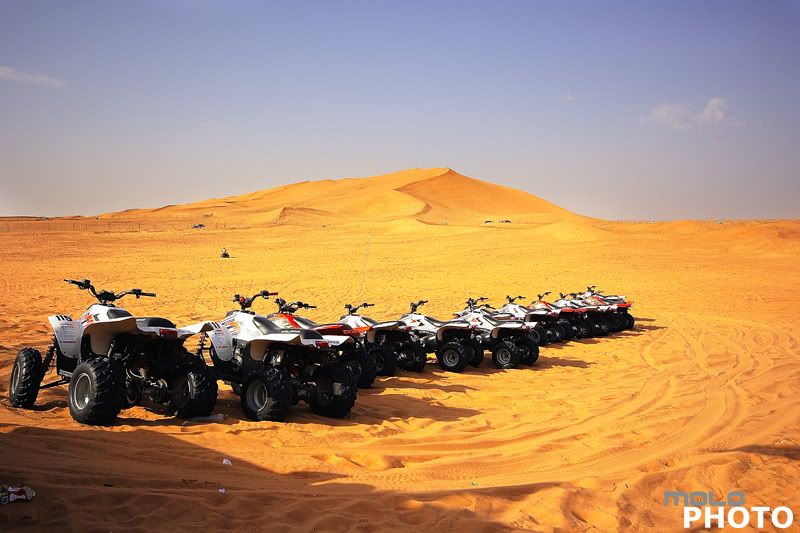
desert series 4 of 12

Exif
Camera Model: Canon 400D
Shutter Speed: 1/400 sec.
Lens Aperture: F/8
ISO: 100
Focal Length: 20mm
Exposure Program: Aperture Priority

Sunday, October 19, 2008

Smart usage can extend digital cameras battery life

by Ziv Haparnas

Digital cameras are powered by batteries and are limited in the number of digital photos that can be taken between either replacing or recharging the batteries. If you are planning for a long digital photo shooting session or are traveling learning some habits that can save on power will help you conserve energy and squeeze more digital photos from your batteries.

Digital cameras have many features and options. Some features consume more energy than others. Some of the greatest features are power hungry. Learning which those power hungry features are and using them with caution can help you get more digital photos from your camera battery.

Digital camera LCD screen:
The digital camera LCD screen is one of the biggest energy consumers. Digital cameras provide viewing of digital photos on a small LCD screen. You can also shoot digital photos using the LCD instead of the viewfinder. An LCD screen consumes a lot of energy. This is the reason why all digital cameras turn off the LCD screen after a certain amount of no usage time. In order to conserve energy try the following: Turn off the LCD and use the viewfinder whenever possible. Only use the LCD when you must for example when taking an overhead digital photo when the optical viewfinder is not usable. Minimize digital photo viewing. When you view photos on the LCD you are wasting energy. Only use the LCD to view photos when you need to do so for the benefit of the next digital photos shooting � for example to check if a composition was right or if the lighting was good.

Digital camera mechanical motors:
The motors that move the mechanical components of the digital camera such as the lenses when focusing or zooming are also a big power consumer. Motors consume a lot of energy when moving the digital camera optical components. In order to minimize the motors movement try the following: Do not use continuous focus when not necessary: The motors that move the optical components in order to focus consume energy. You can not avoid focusing but you can avoid focusing that is not necessary. For moving objects such as in sport events continuous focus is used so your can stay focused on the object until you are ready to take the photo. In those cases as long as you press the shutter button half way down the camera will continue to focusing on the object. To save energy minimize that time to the minimum necessary.

Digital camera flash:
The digital camera flash unit is also a big power consumer. Shooting photos using the flash consumes more energy than shooting photos without flash. You can not avoid flash photography when it is needed but in many cases you will find yourself shooting digital photos in situations where the flash is not needed but it is fired because it was left in automatic mode and the camera fired it for no reason. When possible set the flash to manual mode and control its usage.

False shutter button usage:
Every time you press the shutter button half way down and do not take a photo you waste energy. When pressing the shutter button half way down the camera goes through a series of processes getting ready to shoot a digital photo. It focuses the lenses it wakes up electronic components and gets the flash ready if needed. Avoid pressing the shutter half way down when you do not plan to shoot a photo.

In conclusion until there is a breakthrough in battery technology you will have to keep in mind power consumption when going on long shooting sessions without being able to change or recharge the batteries. Fortunately you can follow the few simple usage tips given in this article to significantly extend your digital camera battery life.

About the Author
More information on digital photo printing and photography is available on printrates.com - a site about photo printing This article can be published only if the resource box including the backlink is included. Ziv Haparnas writes about science and technology. Ziv Haparnas is a technology expert.

Disclamer:
The opinions expressed by authors in this blog are their own and in no way represent the opinions of the owner and or administrator of molophoto blog. Molophoto bears no responsibility for any opinion expressed by any contributing author and or article.

Saturday, October 18, 2008

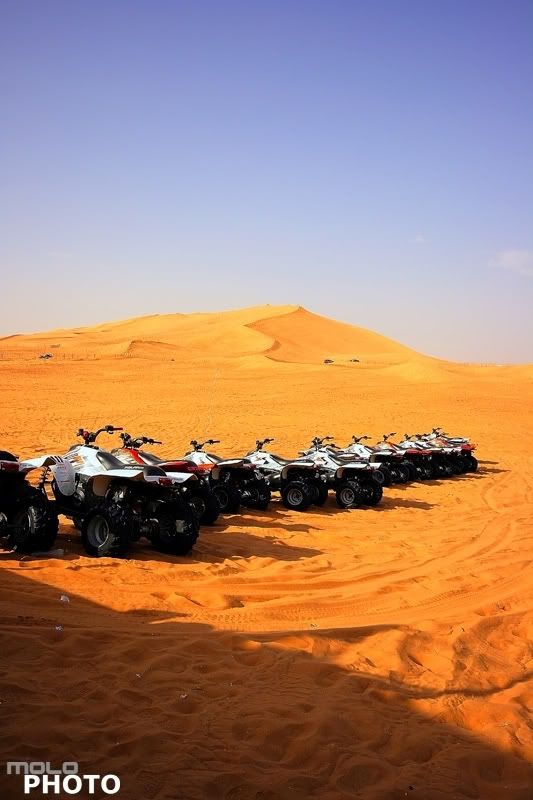
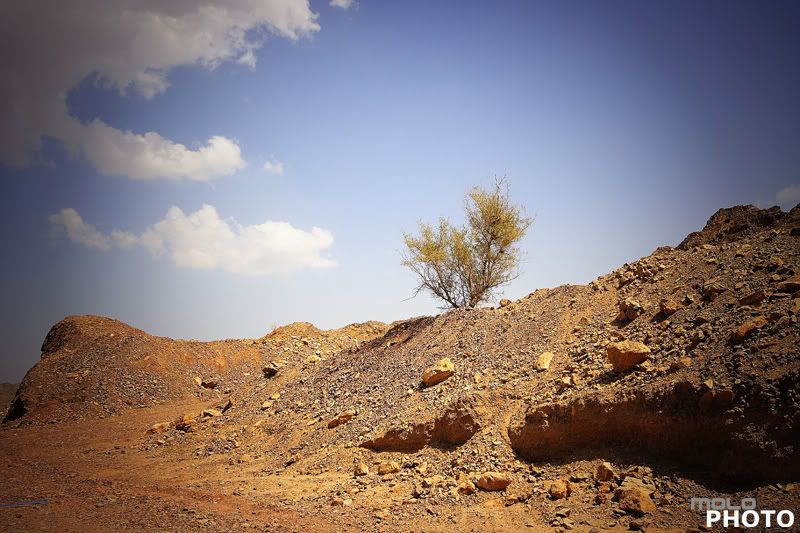
desert serie 3 of 12


Exif
Camera Model: Canon 400D
Shutter Speed: 1/400 sec.
Lens Aperture: F/8
ISO: 100
Focal Length: 13mm
Exposure Program: Aperture Priority

Friday, October 17, 2008

Sensor size and Depth of field in film and digital cameras

by Ziv Haparnas

Depth of field is defined as the range in which the photo is in focus. Achieving a specific depth of field is a useful photography technique used for example to achieve a blurry background effect. Film and digital cameras have different optical attributes as a result of using different sensor sizes. For that reason depth of field is also different in film and digital cameras.

Before you can understand the difference between film and digital cameras when it comes to depth of field, it is important to understand what depth of field is and how it can be set by the photographer. Depth of field (also known as DOF for short) is defined as the range in which the photo is in focus. For example: an infinite depth of field means that the photo will be in focus from a certain distance from the camera and up to infinity. Another example: when taking a blurry photo the goal is to set the depth of field just around the object, which results in the object being in focus while the background behind it is not.

The depth of field is influenced by the optical parameters of the camera and the specific scene. The main parameters that influence the depth of field are:

The distance of the object from the camera influences the possible depth of field settings. For example shooting an object that is very close to the camera will result in a smaller depth of field. On the other an extreme case when the object is in practical infinite distance from the camera will result in the camera focused on infinity and the depth of field being infinite too.

The aperture: The depth of field increases as the f number increases. The wider the aperture (f number decreases) the smaller the depth of field and vice versa: the narrower the aperture (f number increases) the greater the depth of field.

The focal length of the lens: The depth of field grows as the focal length gets shorter. For example if you use normal lenses at somewhere around 50mm your depth of field will be much greater than if you use zoom lenses at 200mm. With a very long focal length the depth of field can be extremely small.

One of the main differences between film and digital cameras is the sensor used to capture the photo. Film cameras use a film sensitive to light that is placed behind the lens. When a photo is taken the shutter opens for a predetermined period of time and light hits the film. The result is a photo "printed" on the film. Digital cameras on the other hand use a fixed electronic sensor (also known as CCD) that is situated behind the lens. The sensor is built from tiny light sensitive sensors each representing a pixel. When the shutter opens light hits the sensor and each pixel gets its "value". Put together all the pixels comprise one digital photo.

A normal single frame of film size was standardized at 35mm. Digital cameras on the other hand use smaller sensors. One of the reasons why digital sensors are smaller is cost – manufacturing a large electronic sensor is costly (for reasons such as yield and other specific process limitations). The depth of field changes with the sensor size, the smaller the sensor the higher the depth of field. In fact low end pocket cameras use small sensors that together with their other optical limitations result in depth of field that is practically infinite. Because photographers used to measure everything based on 35mm film – many digital cameras still quote "35mm equivalent" measurement. There are a few high end SLR digital cameras that use 35mm sensors thus providing the same optical characteristics as the old film cameras. These are still expensive and considered high end professional cameras.

About the Author
Ziv Haparnas writes about practical technology and science issues. Information about photography and photo prints is on printrates.com - your home for Philips and digital photo printing This article can be published only if the resource box including the backlink is included.

Disclamer:
The opinions expressed by authors in this blog are their own and in no way represent the opinions of the owner and or administrator of molophoto blog. Molophoto bears no responsibility for any opinion expressed by any contributing author and or article.

Thursday, October 16, 2008

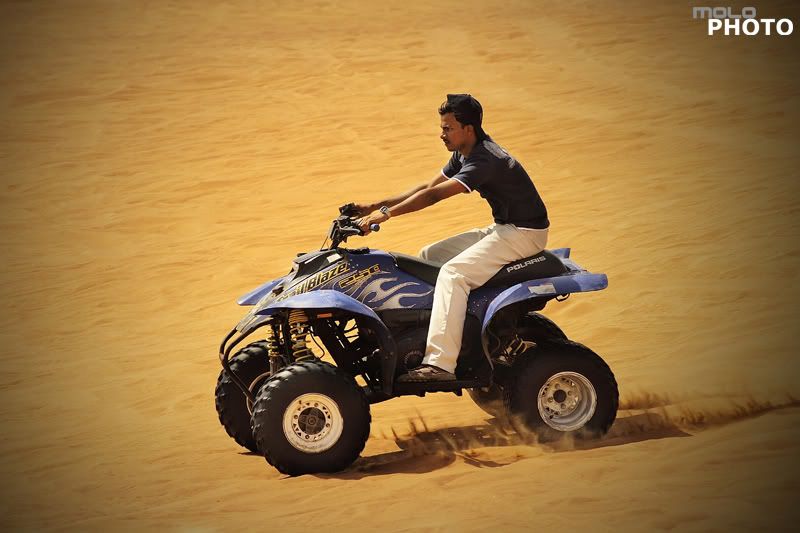
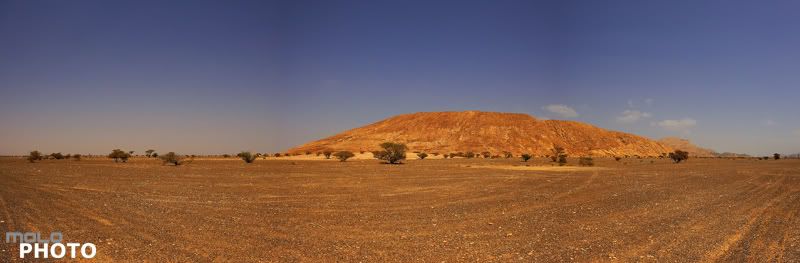
desert series 2 of 12


Exif
Camera Model: Canon 400D
Shutter Speed: 1/400 sec.
Lens Aperture: F/8
ISO: 100
Focal Length: 20mm
Exposure Program: Aperture Priority

Wednesday, October 15, 2008

Professionals take many digital photos to get that perfect one

by Ziv Haparnas

Professional photographers take a large number of photos. They know that by doing so they will most likely find that perfect one they were aiming for. Digital cameras make such a technique available to all of us.

It should be pretty intuitive that the more photos you take the more likely you are to take that perfect one – the perfect angle, lighting and composition. During the film camera era it was an expensive proposition that was used by professionals only. Digital cameras however make it affordable and reachable to all of us.

Forget the slogan "save on film". Photos taken with film cameras are expensive. Each photo consumes a frame in a roll of film. Film rolls capacity is relatively low usually 24 or 36 photos. Every photo also needs to be developed and printed. For these reasons when using film cameras we got used to saving film. You only take a photo when the moment is right and you are pretty sure that the results will be good. There is not much room for mistakes and experiments. On the other hand photos taken with digital cameras cost literally nothing. They are stored on erasable memory and thus can always be discarded at no cost. Moreover the photos can be viewed on digital screens and archived on digital media. When taking photos the digital camera uses digital memory to store the photos. Memory prices get lower and lower and capacity higher – it is very common today for digital cameras to have enough storage space for hundreds or even thousands of photos.

You should forget the habit of saving film when using digital cameras. It is still a good idea to follow good photography rules for composition and lighting but you should be free to take as many photos as you like, experiment with different settings and scenes and don't think twice before taking a photo. It is better to take one extra photo and delete it later on rather than regret not taking it. You will be surprised of the great quality of some of the photos that you thought would not be that good and that if using a film camera you would have never taken. And you will be surprised finding new angles and compositions that otherwise you would have never tried.

Digital cameras allow you to experiment with new angles and to take photos that were very hard to take with film cameras. For example taking overhead photos in an event or taking a photo from a floor angle were hard or even impossible for amateur photographers with limited resources. It is almost impossible to look through the viewfinder in such scenarios and check the composition. Moreover many times you do not have much time to take the photo before the opportunity is gone. With digital cameras you can easily take such photos. Just aim the camera and press the shutter. Move the camera a bit to the left or to the right, up and down and take more photos in different angles and zooms. Later on you can go over and choose a few photos that are good. Most of the photos will be bad – wrong angle, bad composition, objects not in the frame. These photos can be simply deleted at no additional cost. There was no harm in taking them and there was great value in finding the one good photo among all those bad ones.

In conclusion digital cameras are not just a digital replacement of old film cameras. They provide new features and new capabilities that can change the way you take photos. One of those is the ability to take a large number of photos. Take advantage of the high photo capacity and the practically free price tag of taking photos. You should always follow good composition and photography rules but also remember to experiment with new settings and angles. Take many photos and then choose the ones that you like the best.

About the Author
This article can be reprinted and used as long as the resource box including the backlink is included. Mr. Haparnas writes about practical technology and science issues. You can find more information on digital photo printing and photography in general on printrates.com - a site dedicated to Canon and photo printing Ziv Haparnas is a technology expert.

Disclamer:
The opinions expressed by authors in this blog are their own and in no way represent the opinions of the owner and or administrator of molophoto blog. Molophoto bears no responsibility for any opinion expressed by any contributing author and or article.

Tuesday, October 14, 2008

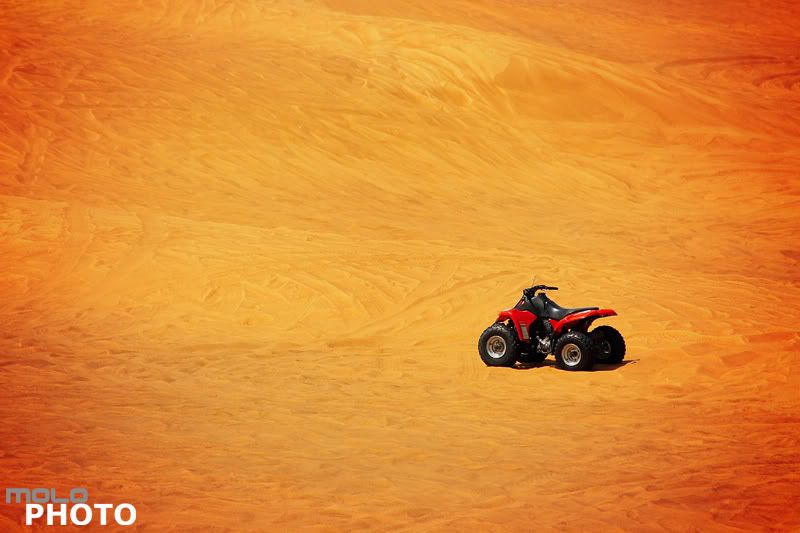
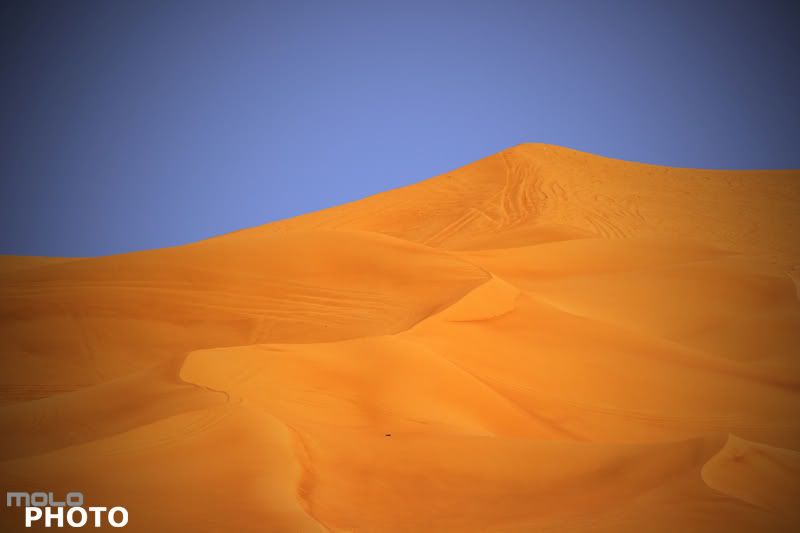
desert series 1 of 12


Exif
Camera Model: Canon 400D
Shutter Speed: 1/320 sec.
Lens Aperture: F/8
ISO: 100
Focal Length: 20mm
Exposure Program: Aperture Priority

Monday, October 13, 2008

Printing Your Photos at Home - Useful Tips and Hints for Best Quality

by Ziv Haparnas

Digital photography revolutionized the way in which we take, view and share photos and also the way in which we print them. Many digital photos never get printed but there are still many of us who prefer tangible paper prints. Photos can be printed using a professional service (in-store or online) or at home. In this article we will give you tips for getting quality prints at home.

A few years ago getting high quality prints at home was an expensive task that was only suitable for semi-professionals who could afford it and who had the know-how. Today low cost printers can generate amazing quality prints and sophisticated software can do most of the processing work behind the scenes. The result is that even amateur photographers can generate very high quality prints by pressing a single Print button.

There are a few simple tips to follow that can help in getting higher quality prints:

Edit your photos: make sure that you print exactly the photo that you want printed. Using simple photo editing tools (such as Photoshop or even Windows built-in Paint application) you can crop a photo to include just the area you are interested in or crop out parts which you do not want in the print. For example you took a photo of a group of friends but on the left corner of the photo there is a bystander that just happened to be there. You can crop the photo to include only your friends and thus effectively eliminate the unwanted object from the print.

When cropping photos always remember aspect-ratio – depending on the paper and the printer you're using sometimes you're limited to a certain photo size. For example if you print on a special 4X6 photo paper any source photo that is not in a 4X6 aspect ratio will have to be either stretched, cropped or parts of the print will be left blank. Make sure that you crop your photo to fit a specific aspect ratio if you're printing on a specific aspect-ratio paper.

More photo processing can be done in order to enhance your prints. It can include red-eye removal (many software packages will do it for you automatically) contrast enhancement and more. For example if a portion of the photo that is important to you is a bit dark – you can "stretch" the color palette in a way that this section will look more lit and detailed. This will usually be on the expense of "overexposing" other portions of the photo that you care less about.

Always remember photo resolution: Every photo is built out of pixels. The more pixels in a photo the higher the photo resolution is. We will not get into details here about the correlation between mega pixels and print quality but a general rule of thumb is that to get good print quality you need 300 pixels per inch or more. This means for example that the biggest paper size a 2 mega pixels photo can be printed on is 4X6 while an 8 mega pixels photo can be printed on an 8X10.

Pick the right printer and paper: there are many different printing each with its advantages and disadvantages. They range in quality and cost. To get the best print quality you should use photo paper in conjunction with a printer that supports such paper. Photo paper and photo printers are more expensive than document oriented A4 Inkjet printers. Choose the printer by evaluating how many prints you will make and how important quality is to you. If you print occasionally for fun an Inkjet printer with normal or photo paper is probably good enough for you. If you print a lot and quality is very important photo paper with a photo printer is the way to go. As a rule of thumb glossy photo paper provides the best quality for color photo prints while matte photo paper provides the best quality for black and white prints.

Printer ink and maintenance: printers need to be setup and maintained. It is extremely important to follow the instructions and to use compatible ink cartridges. High quality compatible ink can make the difference between low and high quality prints. It is usually recommended to buy ink from the same brand as the printer. Some calibration is usually needed when replacing ink and sometimes every few months of use. Follow the instructions for such procedures carefully as a calibrated printer results in much better quality prints than a printer that is not aligned and is poorly maintained.

In conclusion it is very easy to print your photos at home. Just buying a mid-range printer and hitting the "Print" button in your photo viewing software will probably result in good prints that are satisfactory for most consumers. Following some simple tips can enhance those prints to professional quality. As technology advances and prices go down experimenting at home with various photo processing tools, paper sizes, paper types and inks becomes affordable and is probably the best way to find what combination yields the best print quality for you.

About the Author
Mr. Haparnas writes about practical technology issues. Ziv Haparnas is a veteran technologist. This article can be published as long as the resource box including the backlink is included. More information on digital photo printing and photography is available on printrates.com - a site about digital prints

Sunday, October 12, 2008

flower from the park


Exif
Camera Model: Canon 400D
Shutter Speed: 1/50 sec.
Lens Aperture: F/5.6
ISO: 100
Focal Length: 55mm
Exposure Program: Aperture Priority

Saturday, October 11, 2008

Photos that capture moving objects motion

by Ziv Haparnas

Still photography freezes a scene. A photo is still in nature but sometimes you would like to convey a feeling of motion to the viewer. For example when taking a photo of a moving car or a runner. There are techniques that can help you achieve that - here is how.

You have probably experienced shooting blurry photos usually as a result of wrong camera settings or the object moving while you were taking the photo. Such blurriness is not something you would like to see in a photo but if controlled some blurriness can actually be used to capture and convey the feeling of motion in a still photo.

Shutter speed is what determines if a photo is frozen or blurry. The faster the shutter the more frozen the photo is. The slower the shutter the more motion is captured in the photo in the form of blurriness. Open the shutter for too long and the photo will be completely blurred.

There are two ways to capture motion: to blur the moving object while keeping the background in focus or to blur the background while keeping the object in focus:

Blurring the object:
Blurring a moving object captures its motion. For example consider a car driving down the road. If you freeze such a scene with high shutter speed the viewer can not tell if the car is moving or if it is parked. However if you use a slower shutter speed the moving car is blurred and the feeling of motion conveyed.

Blurring the background (panning):
Consider the same car from the above example. Another way to convey its motion is by blurring the background while keeping the car in focus. This is much harder to accomplish. The concept is simple: set the camera to a slower shutter speed. Pan the camera in a way that it follows the car. The car stays still at the same spot in the photo. Then shoot the photo as you continue panning the camera to keep it aligned with the moving car. The result is a car that is in focus while the background is blurred.

What is the right shutter speed needed to capture motion? Unfortunately there is no magic number. The shutter speed depends on many factors such as the speed of the object, its distance and the amount of motion (or blurriness) that you would like to capture. As a rule of thumb shutter speeds faster than 1/250 of a second tend to freeze the scene while shutter speeds slower than 1/50 of a second tend to result in some blurriness. If the object is very slow you might need to keep the shutter open for even a second or more. If the object is very fast 1/50 of a second can be all that you need.

It is very important to keep the camera steady when taking photos using slower shutter speeds. Usually when capturing motion in such a way you would need to stabilize the camera using a tripod or by putting the camera on a steady surface. The exception is when trying to blur the background of a moving object - since you need to pan the camera to keep it aligned with the object the camera inherently needs to move. The movement needs to be in the same speed and direction as the object and only in that direction. Sometimes such panning can be done using a tripod that allows control movement of the camera.

Photos that capture motion are impressive. The only way to learn how to shoot such photos is by experimenting. Start with experimenting blurring the moving object. This technique is relatively easy and within a short time you will master it. Once you do try to experiment with blurring the background. This is much harder to achieve and can be frustrating at the beginning.

About the Author
Information about photography and photo prints is on printrates.com - your home for photo prints Ziv Haparnas is a technology veteran. This article can be reprinted and used as long as the resource box including the backlink is included. Ziv Haparnas writes about practical technology issues.

Disclamer:
The opinions expressed by authors in this blog are their own and in no way represent the opinions of the owner and or administrator of molophoto blog. Molophoto bears no responsibility for any opinion expressed by any contributing author and or article.

Friday, October 10, 2008

red car 2


Exif
Camera Model: Canon 400D
Shutter Speed: 1/13 sec.
Lens Aperture: F/3.5
ISO: 400
Focal Length: 18mm
Exposure Program: Manual
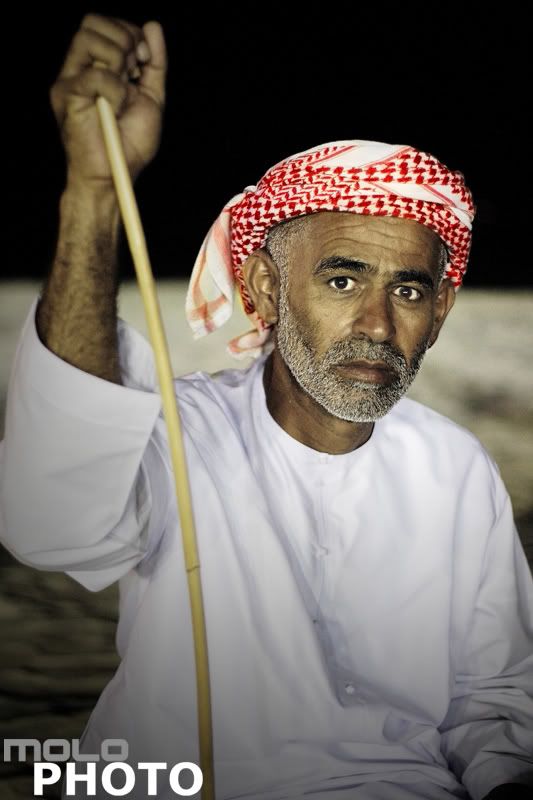
Thursday, October 9, 2008

Photography – An Art of Wisdom

by Andrew Chan

Photography is a complex art which needs a lot of attention, and skills of thinking beyond the limits of normal human being. You need to put the best efforts into photography to come up with the best results. One can be a master of this art only after lots of practice and learning, but these two things are not enough to be a perfect photographer, you need to have passion for photography and to view the world behind the lens.

Photography is one of the most fascinated professions for youngsters these days. Wildlife photography, nature photography, food photography, fashion photography and wedding and bridal photography are the most popular mode of photography.

All the modes of photography have its own set of importance, but Wedding photography and bridal photography are more attached to the whole life of two human beings and their families. So, it's a kind of more important and special. As wedding is one time affair for people, they want to store all the memories of their wedding to remember and cherish for the whole life. Bride and groom both want to store every single moment spend during the wedding celebration in form of photographs or videos. So, they look for an expert photographer with enough experience to handle all the task of wedding photography efficiently.

An expert wedding photographer is not a general photographer. He generally has experience of capturing thousands of snaps in hundreds of weddings in diverse set of customs and photography scenario. The work of an expert wedding photographer is to extract the best look out of bride and groom along with the best moments in best possible capturing angles. There is no place for anything less than the best in wedding and bridal photography. In bridal photography it's more important because a photographer has to display all the hesitation, excitement, glaze and anxiety of a girl who is going to marry. It's very tough to reflect all those true feelings, but an expert photographer knows how to do that.

Thus wedding and bridal photography is really different than other modes of photography, because here you don't have independence of experimenting much, you have to experiment to a certain level, and the priority goes to the demand of bride and groom. This is a completely professional affair, and the photographer has to be professionally experienced to deliver the best service.

About the Author
1stJournal is a group of professional wedding photographers in Singapore, Hong Kong and Australia. For more information about their services, please visit: http://www.1stjournal.com

Wednesday, October 8, 2008

red car 1


Exif
Camera Model: Canon 400D
Shutter Speed: 1/13 sec.
Lens Aperture: F/3.5
ISO: 400
Focal Length: 18mm
Exposure Program: Manual
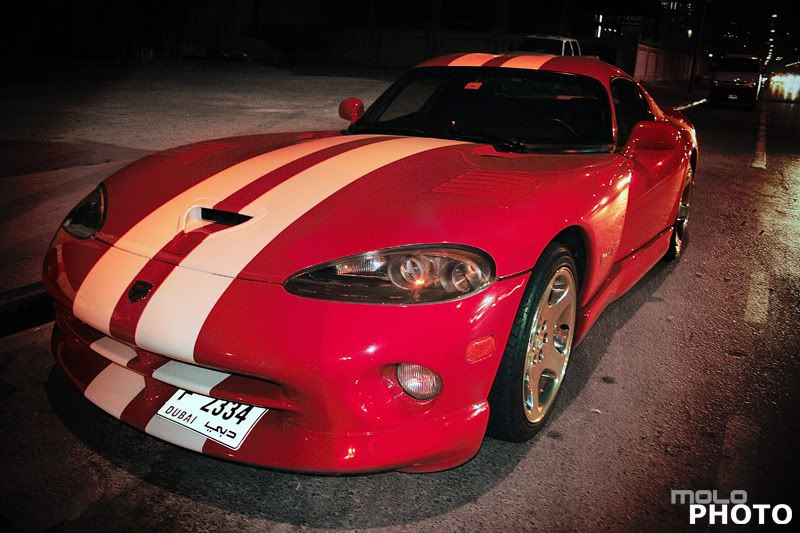
Tuesday, October 7, 2008

Orientation sensors in digital cameras

by Ziv Haparnas

Cameras can be held in two positions: horizontal or vertical (also knows as landscape and portrait). Photos taken in the vertical position are later on rotated 90 degrees (either clockwise or counter clockwise). Rotating the photos can be automated if your camera sports an orientation sensor.

If you just take a few photos every now and then rotating them manually is not a big deal. Usually after downloading the photos to your computer you will browse through them and when viewing a photo that needs to be rotated you will fix it using your software rotate feature. However when taking hundreds or thousands of photos this process can become tedious and long. The good news is that this process can be automated if the camera you are using includes an orientation sensor.

An orientation sensor is an electronic device built into the camera that can sense if the camera is held horizontally or vertically and if the camera is flipped or not (there are two vertical positions also known as 90 degrees or 270 degrees relative to the horizontal position). We will not get into the details of how this sensor works (there are a few options utilizing some physical feature such as gravitation or magnetic fields).

When taking a photo the camera saves the orientation sensor reading as EXIT data included in the photo file. EXIF stands for Exchangeable Image File Format and it defines a set of tags and semantics that can be added to existing formats such as JPG and TIFF to provide more information about the photo. One such piece of information is the camera orientation.

Software can later on use the EXIF orientation data to automatically rotate photos as needed. There are some options for how you can utilize this orientation data for your benefits, here are a few:

Camera built-in rotation software: Some cameras include an automatic mode in which the camera rotates the photo based on the orientation reading immediately after the photo was taken using build-in rotation software. Using this mode the photos saved on the camera memory are already rotated in the right direction and no further processing is needed.


Photo download software rotation: Some software can automatically rotate photos as they are downloaded from the digital camera to the computer hard disk. Before saving a photo to the hard disk the software checks its orientation and rotates it as needed.


Batch photo processing: Software that perform batch operations on photos. Usually such software can do many common photo processing operations such as contrast enhancements, re-sampling, red eye removal and more. They can also rotate photos based on the EXIF orientation data.


Photo viewers: Some photo viewers can utilize the EXIF orientation data when displaying photos. As opposed to the other solutions in this case the photo file is never changed instead every time a photo is displayed on the computer screen the displayed image is rotated as needed based the photo EXIF orientation data. Some professionals prefer this method as it solves the need to rotate photos in order to view them while it does not change the original file. Rotating a photo can degrade its quality if not done properly and thus leaving the original file as-is and only rotating the viewed image is a good way to guarantee no quality loss.


Orientation sensors are a nice addition to the ease of digital photography. If you plan to take many photos and you want to save time by automatically fixing their orientation when downloading them to your computer check if your camera includes an orientation sensor and if it does not make sure that your next camera does include one. Today such sensors are usually included in more expensive cameras as orientation sensors have not become a standard feature in all digital cameras – at least not yet

About the Author
This article can be published only if the resource box including the backlink is included. You can find more information on digital photo printing printing and photography in general on printrates.com - a site dedicated to digital photo printing Mr. Haparnas writes about practical technology and science issues. Ziv Haparnas is an expert in technology.

Disclamer:
The opinions expressed by authors in this blog are their own and in no way represent the opinions of the owner and or administrator of molophoto blog. Molophoto bears no responsibility for any opinion expressed by any contributing author and or article.