Exif
Camera Model: Canon 400D
Lens Aperture: F/8
ISO: 100
Focal Length: 27mm
Exposure Program: Aperture Priority
Sunday, November 30, 2008
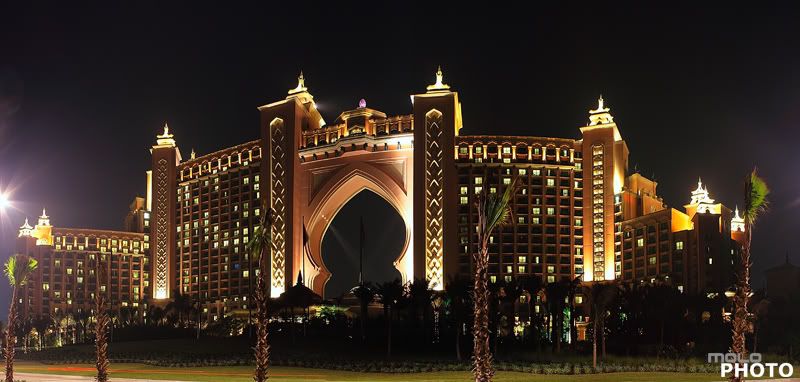
atlantis in hdr
Friday, November 28, 2008
atlantis panorama
Exif
Camera Model: Canon 400D
Shutter Speed: 10 sec.
Lens Aperture: F/8
ISO: 100
Focal Length: 18mm
Exposure Program: Manual
Wednesday, November 26, 2008
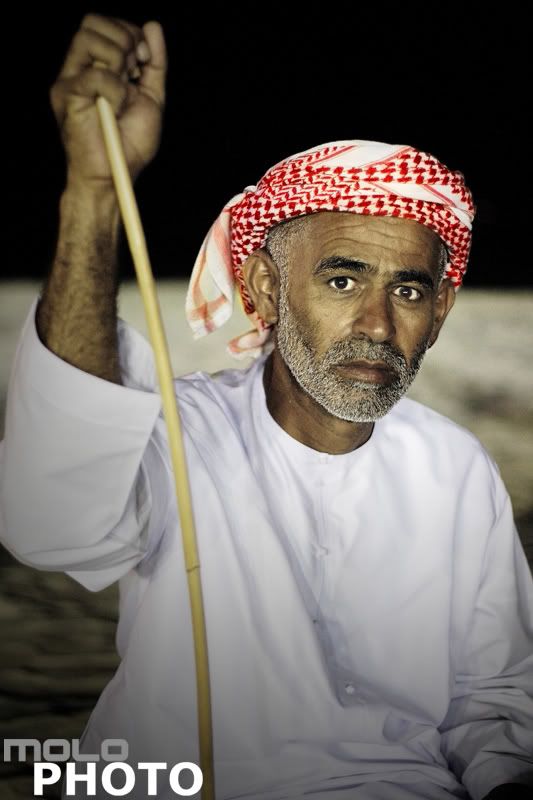
the father
Exif
Camera Model: Canon 400D
Shutter Speed: 1/60 sec.
Lens Aperture: F/1.8
ISO: 800
Focal Length: 50mm
Exposure Program: Aperture Priority
Monday, November 24, 2008
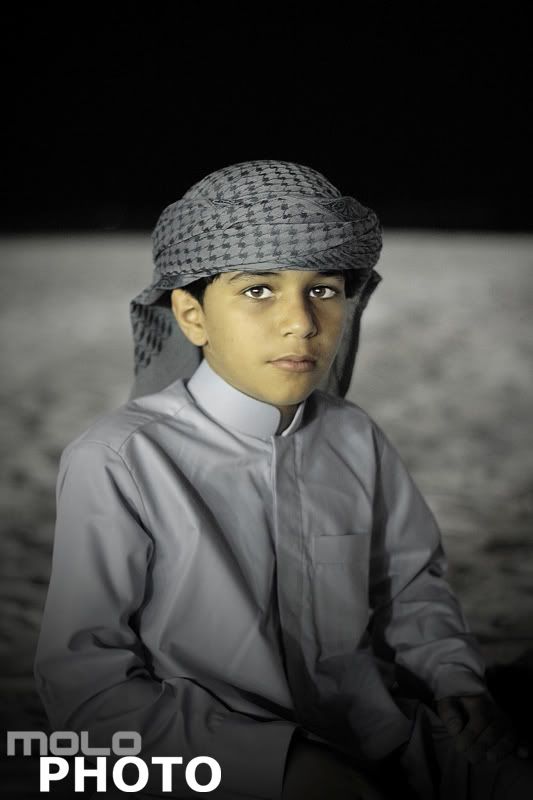
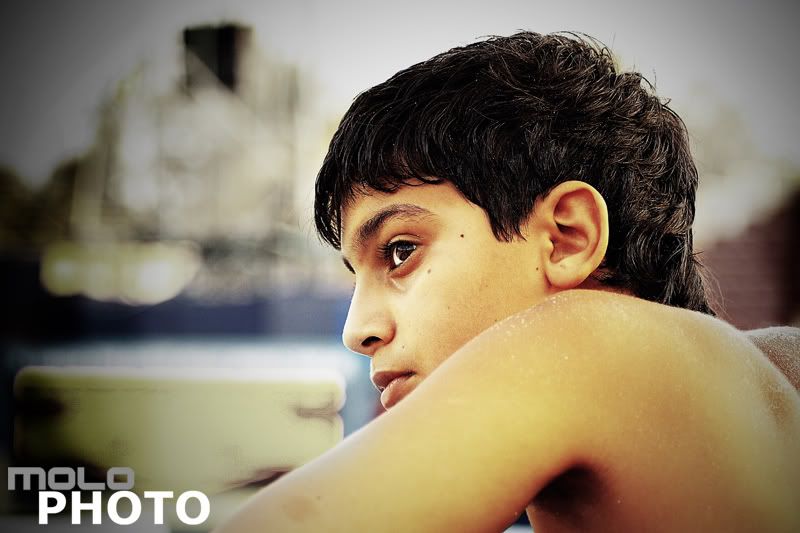
the son
Exif
Camera Model: Canon 400D
Shutter Speed: 1/40 sec.
Lens Aperture: F/1.8
ISO: 800
Focal Length: 50mm
Exposure Program: Aperture Priority
Saturday, November 22, 2008
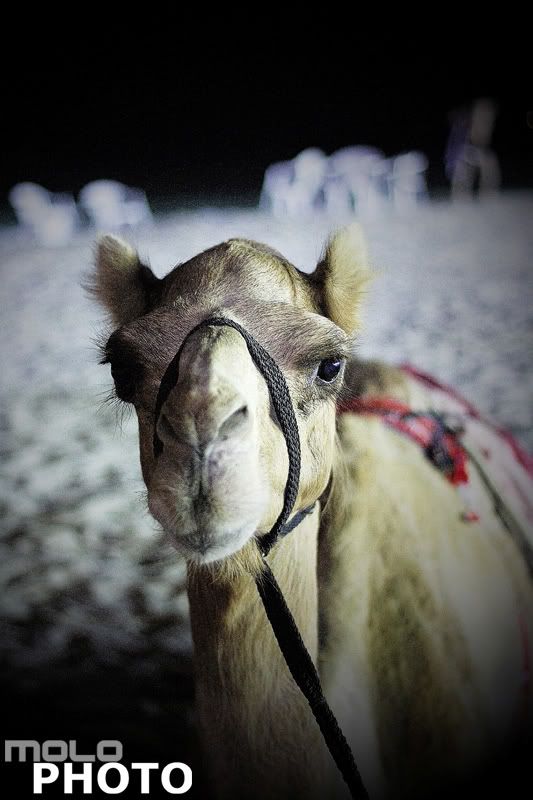
beach bum
Exif
Camera Model: Canon 400D
Shutter Speed: 1/30 sec.
Lens Aperture: F/1.8
ISO: 800
Focal Length: 50mm
Exposure Program: Aperture Priority
Thursday, November 20, 2008
Tuesday, November 18, 2008
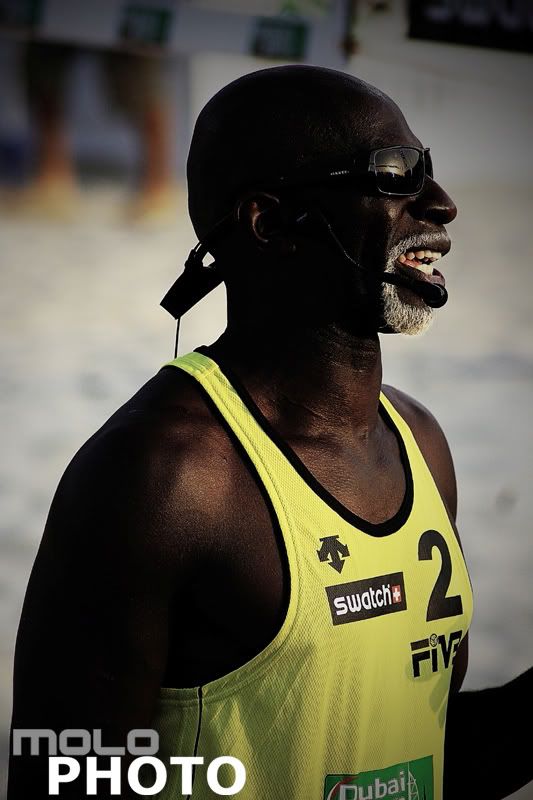
dubai beach volleyball 2008 emcee
Exif
Camera Model: Canon 400D
Shutter Speed: 1/800 sec.
Lens Aperture: F/5.6
ISO: 400
Focal Length: 200mm
Exposure Program: Manual
Monday, November 17, 2008
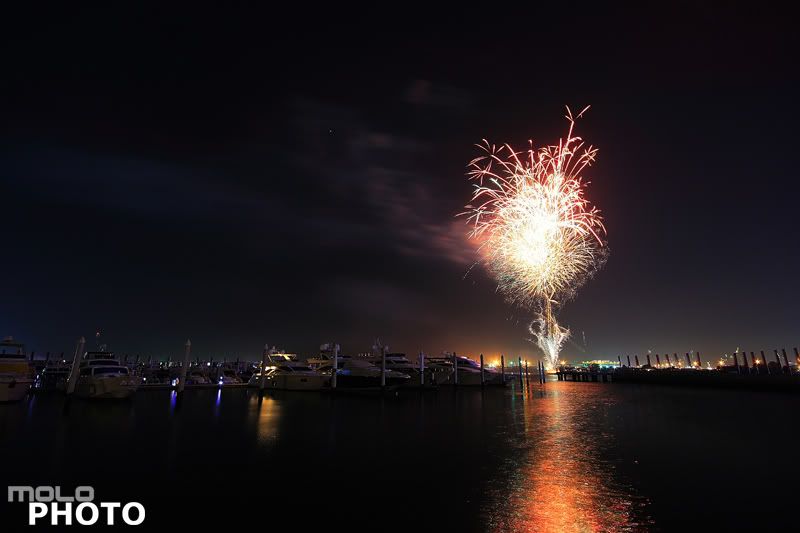
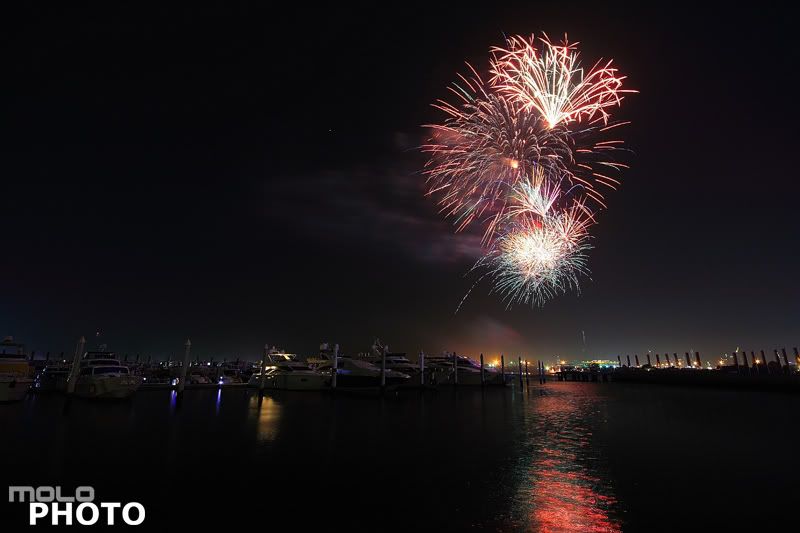
eid fireworks 2008 6 of 6
Exif
Camera Model: Canon 400D
Shutter Speed: 10 sec.
Lens Aperture: F/8
ISO: 100
Focal Length: 10mm
Exposure Program: Manual
Saturday, November 15, 2008
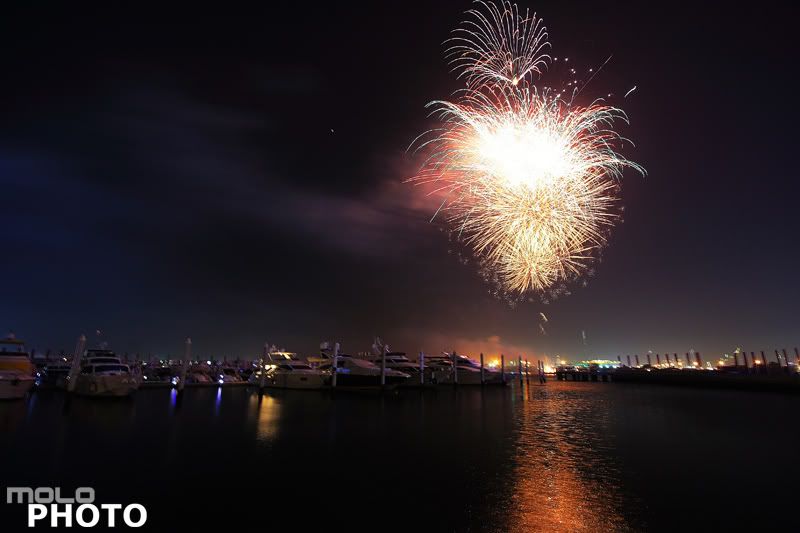
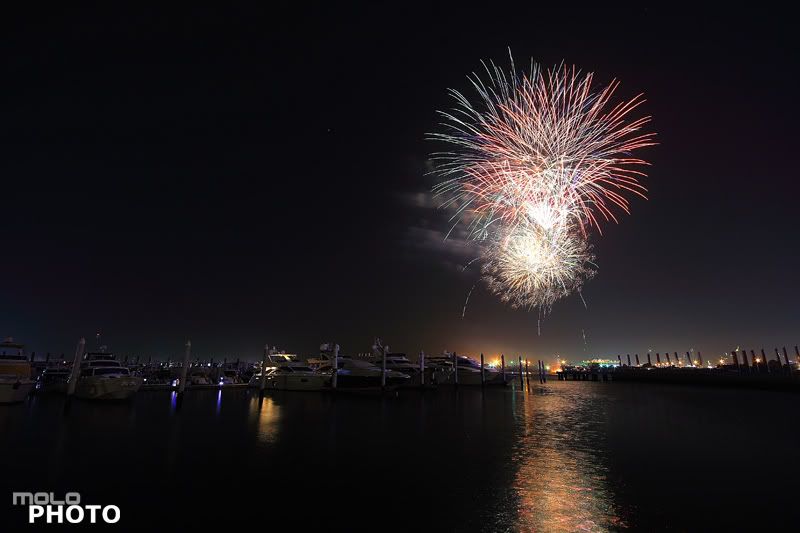
eid fireworks 2008 5 of 6
Exif
Camera Model: Canon 400D
Shutter Speed: 10 sec.
Lens Aperture: F/8
ISO: 100
Focal Length: 10mm
Exposure Program: Manual
Friday, November 14, 2008
Better Photo Tips - Studio Light Patterns
Hair Lights, Back Lights, and Barn Doors, oh my! Studio Lighting can be very overwhelming when you first start getting into it. Some photographers out there have thousands of dollars of accessories associated with their studio setup. The good news is, you don’t have to be rich to enter into the world of studio portraits. Think about it. How many light sources did God create for earth? If you said "One" meaning the sun; you were almost right. He also created the sky and the ground to "bounce" that light into the shadows. Light that is bounced back is commonly referred to as a "fill light". If there was no fill light on earth; anything not directly lit by the sun, would have NO DETAIL, it would all be totally black.
It is astounding how much you can do with one main light and one or two fill lights. For those of you thinking three lights doesn’t sound simple to me, let me clarify. In this article what I am describing is one light and one or two reflective surfaces to help bounce that light or to fill in the shadows. With one light and one or more reflectors, you can make amazing photographs.
Having the tools and knowing what to do with those tools are two different things. Today I want to show you what to do with these basic tools.
1) Short Light is the type of studio lighting setup, where the face side of the subject which is the farthest from the camera gets the main light. In this type of lighting setup, the side of the face which is toward the camera gets less light then the side facing away form the camera. The effect you get when using this lighting setup is a thin face, this is why it is good to photograph large (or chubby) people with a short light setup. A photo tip worth remembering is: short light helps to visually thin your subject.
2) Broad light is just the opposite of Short light. In the Broad Light setup, the side that is getting the most light is the side facing the camera. This setup is less commonly used for portraits as it tends to make people look chubby. In both these cases, you can place a reflector on the opposite side of the light (at about a 45 degree angle) to help fill in the shadow side.
3) Split Light sounds more complex than it is. Position your main light on one side of your subject so that it’s exactly 90 degrees to the subject. In other words, you will see a dramatic shadow going right down to the middle of his or her face. If your main light is a flash, you might want to consider a secondary light; not for exposure . . . but just for light placement. We call this small secondary light a modeling light. In some units, they actually have a modeling light built in around the main light, so you can visually see what’s happening. Using the modeling light, make sure the line between light and dark runs directly down the center of your model’s face, right down the tip of the nose. The model should be looking directly at the camera. This is what we call a split light portrait. Another photo tip is this: split light portraits, create dramatic visual results.
4) Rembrandt Light is considered an artistic classic. The main light is positioned high and on the side of the face that is away from the camera. Generally the subject is placed at a 45 degree angle to the camera (as opposed to just looking straight on.) This technique produces an illuminated triangle on the cheek closest to the camera. The triangle will illuminate just under the eye and not below the nose. The face should appear illuminated on one side and heavily shadowed on the other.
Place your reflector (or white poster board) on the opposite side of the studio light. The reflector should be angled so that it reflects any remaining light in the room to the subject's darken side. The key here is NOT to eliminate the dark shadows, but to add detail within the shadows. The third photo tip to remember: adding subtle detail makes images appear more artistic.
5.) Butterfly Light is achieved by positioning the main light directly in front of the subjects face and adjusting the height to create a shadow directly under, and in line with the nose. This style is best suited for subjects with a normal oval face and is considered to be a glamour style of lighting best suited for women. This lighting technique creates hard shadows in the eye sockets and under the chin depending on the size of your main light and distance to your subject. Use a reflector under the main light source to fill in the underside of the face (eye sockets, under nose and under chin areas). Sometimes this is referred to as "over and under lighting".
Now the setups given above; can use extra lights, but they don’t have to. Just as you can take an award winning photographs with a $50.00 camera or a $5,000.00 camera, you can also take great shots with a single light source. As we mentioned before, having the tools and knowing what to do with them are two totally different things.
It is my firm belief that photographers who learned to master Black and White photography first and then learned Color photography; will ALWAYS have the advantage over those who started with color photography. This is not meant to insult younger photographers. If a cake taste bad, it doesn’t matter what kind of icing you put on it. Learn the basics of good photography first, and then you can add more lights, more lenses, or whatever the case may be. Thus the fourth photo tip to remember is this: start with the basics, master them first. Then go forward.
Award winning writer / photographer Tedric Garrison has 30 years experience in photography. As a Graphic Art Major, he has a unique perspective on the Elements of Design and how those elements relate to all aspects of photography. His photo eBook (Your Creative Edge) proves that creativity CAN be taught. Tedric shares his wealth of knowledge with the world, at: Better Photo Tips.com
Article Source: http://www.ArticleBiz.com
Disclamer:
The opinions expressed by authors in this blog are their own and in no way represent the opinions of the owner and or administrator of molophoto blog. Molophoto bears no responsibility for any opinion expressed by any contributing author and or article.
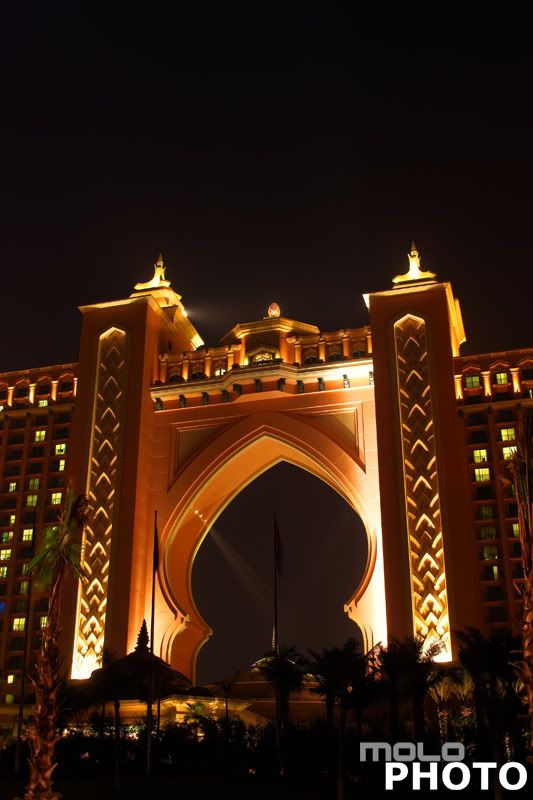
Thursday, November 13, 2008
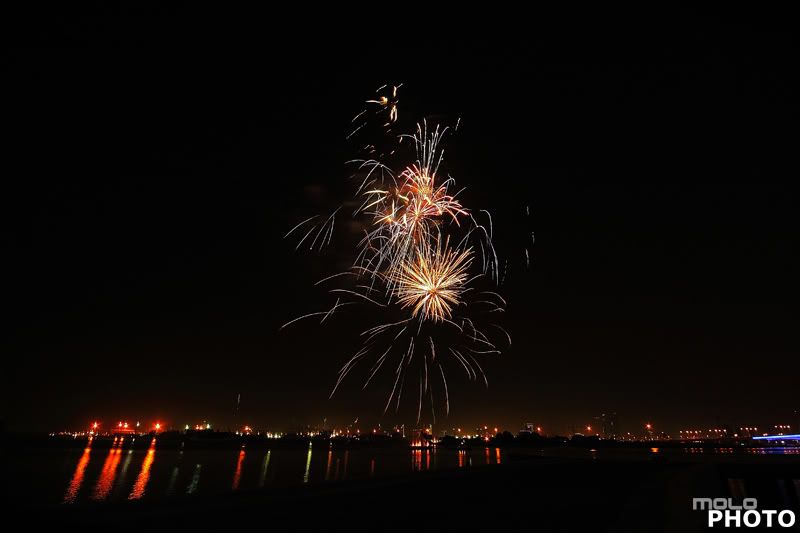
eid fireworks 2008 4 of 6
Exif
Camera Model: Canon 400D
Shutter Speed: 10 sec.
Lens Aperture: F/8
ISO: 100
Focal Length: 10mm
Exposure Program: Manual
Wednesday, November 12, 2008
The advantages of using Infrared Filter
Light rays that are falling on us have three components. They are the ultra violet rays, the visible light we generally see and the infra red rays. An infrared filter blocks all lights except infrared rays to pass through the filter. These filters were initially developed for taking photographs using infrared light. The films used were sensitive to infrared lights. Infrared photography has been extended to digital cameras. These cameras use image sensors which are sensitive to infrared lights.
Besides use in infrared photography, these filters are used in many other areas.
These filters are being used in the industries. These filters enable to see through objects that are not visible to naked eyes under normal light. Water and other fluids absorb specific wavelengths. By using infrared filters, it can be ascertained whether a container has been filled. By using these filters, we can see through the labels to detect the fluids stored inside or we can detect the presence of any foreign materials.
These filters also find application in security and surveillance applications. By using infrared light source (which will not be visible to the naked eye) and using infrared sensitive cameras or binoculars any movement made in the darkness of the night could be easily monitored.
Similarly, by using these filters and infrared light source, it would be possible to keep watch on the movement of wild animals in the forest in the night. The hunters could also utilize this facility for game hunting in the night.
These filters used along with an infrared light source could enable the parents to keep watch on their children without turning the lights on.
It has been seen that using a camera with an infrared filter in the daytime, sometimes we could see through the clothing.
For some applications, it may be required to that the filter would reflect infrared light instead of allowing it to pass through. This type of filter has been used in Silver Cloud's Heat Shield display filter windows so that heat of infrared light does not affect in outdoor applications.
Digital camera sensors are generally sensitive to infrared lights. This sensitivity could interfere with its functioning while taking photographs under normal lighting. Therefore, to improve the quality of pictures taken by these cameras, they are fitted with infrared filters which block infrared lights. These cameras would not be suitable for taking infrared photography.
For taking infrared photography using digital cameras, these blocking filters are removed and infrared filter is fitted in these cameras which allow only infrared light to pass. Special digital cameras are being developed for taking infrared photography to be taken from satellites or for taking photo using infrared radiation (Thermographic camera).
For more insights and further information about Optical Filter visit our site http://www.instrumentplastics.com
Article Source: http://www.ArticleBiz.com
Disclamer:
The opinions expressed by authors in this blog are their own and in no way represent the opinions of the owner and or administrator of molophoto blog. Molophoto bears no responsibility for any opinion expressed by any contributing author and or article.
Tuesday, November 11, 2008
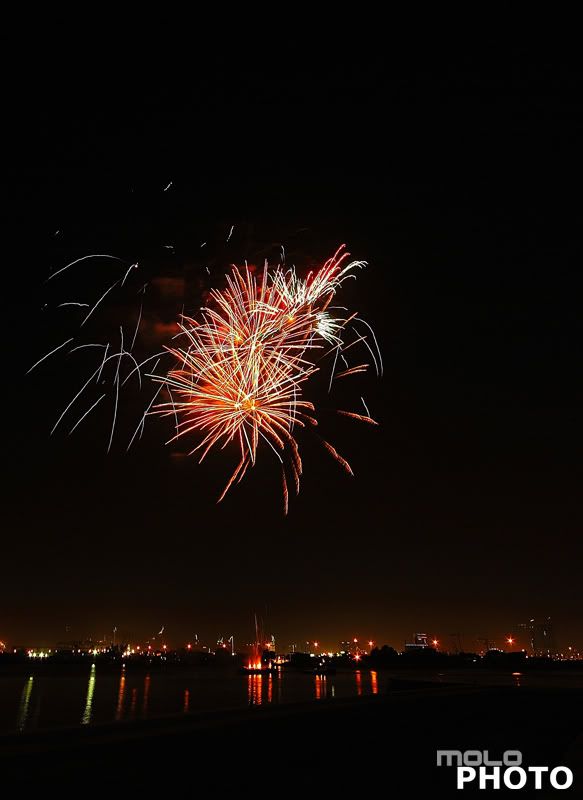
eid fireworks 2008 3 of 6
Exif
Camera Model: Canon 400D
Shutter Speed: 10 sec.
Lens Aperture: F/8
ISO: 100
Focal Length: 10mm
Exposure Program: Manual
Monday, November 10, 2008
Wildlife Photography: It's All In The Eyes.
Wildlife photography is immensely rewarding, but also particularly challenging. As a photographer you have to have all the skills of everyday photography, plus you are dealing with a subject that has no interest in having its photo taken.
For an experienced photographer, there are so many things one would love to pass on to beginners to help them get started. Good lighting is essential. Timing and composition are subtle arts that come with lots of patience and experience. But what is the one golden rule of wildlife photography that one should learn above all else?
It's all in the eyes.
Photographing wildlife is not the same as photographing a landscape or an inanimate object. Your wildlife subject has eyes, and our natural tendency as humans is to make eye contact. As a result, if you can capture the eyes effectively in a wildlife photograph, you have achieved the main ingredient of a great image.
Take a look at some of the great wildlife photography to be found in print and on the internet. You will notice that very often a picture only shows part of the animal, and perhaps much of what is visible is out of focus. The subject may be half-hidden behind a bush or lost in shadow.
Despite all these 'problems' the photos are successful. Who knows, maybe they have won an award or two. How can this be? Because the eyes are captured in a compelling way that creates a bond between the subject and the viewer.
What's even more remarkable is that the subject does not have to be looking at the camera for the eyes to have impact on the picture. With our natural instinct to try to make eye contact, we are inclined to look first at the eyes of a subject and to follow its gaze. So if the subject is looking to the left, our eyes will tend to wander in that direction.
Imagine the power this can have in a composition. By using the position of the subject and the direction of its gaze, you can actually influence the way your viewer looks at your picture. For example, imagine a scene with a kangaroo and a striking tree in the background. Position yourself so the kangaroo is on the left and the tree is on the right. If you take your shot when the kangaroo is looking to the right (towards the tree), you will have created a composition that brings the two elements of the picture together. People will first notice the kangaroo, then follow its gaze to take a better look at the tree.
This is a great method of creating structure in your composition, but it also adds a little bit of pressure on you to get it right.
Two simple tips can help you make the most of the impact of the eyes in your wildlife photo. To begin with, photograph your subjects when the light is soft and even, to eliminate harsh shadows across the face of the subject. This is a simple matter of shooting early or late in the day when the sun is low, or on cloudy days when shadows are not a problem.
Secondly, make sure the subject is facing toward the centre of the photo. Remember that just as the eyes can lead the viewer into the picture, they can also lead the viewer out of the picture. When your animal subject is on the right, try to catch it facing left (and vice-versa).
These are just simple guidelines. As in all nature photography, every rule is made to be broken. You will sometimes find situations where these tips just don't work for your picture. You may even decide to break with convention from time to time, just to create a different kind of impact. However, even when you decide to try something different, never forget the power of the eyes in your wildlife photography. In most cases, it means the difference between a snapshot and something really special.
http://www.naturesimage.com.au is the place to find "Photography in Plain English," the top selling ebook for beginners by Andrew Goodall. You can also see a huge range of Andrew's wildlife and landscape photography, and sign up to the free online newsletter.
Article Source: http://www.ArticleBiz.com
Disclamer:
The opinions expressed by authors in this blog are their own and in no way represent the opinions of the owner and or administrator of molophoto blog. Molophoto bears no responsibility for any opinion expressed by any contributing author and or article.
Sunday, November 9, 2008
eid fireworks 2008 2 of 6
Exif
Camera Model: Canon 400D
Shutter Speed: 3.2 sec.
Lens Aperture: F/8
ISO: 100
Focal Length: 10mm
Exposure Program: Manual
Saturday, November 8, 2008
How To Know Your Digital Camera Type
Photography is one of the most popular hobbies of many people around the world. Almost every individual with a camera creates his own world of pictures, least bothering the types of camera he is using. Most of the digital camera users have little or no idea on the configuration of the gadgets they have. Some people purchase digital cameras without caring to figure out what type of digital camera will best serve their purpose.
However, professional photographers know their needs pretty well in this regard. But it is wise for anyone to know the type of digital cameras before investing in one of them. Digital camera has many advanced features that the traditional cameras lack. But if you go through the minute details of each type of digital cameras you will find them differing from each other in their features and functionality.
Compact digital camera:
Generally, a regular sized digital camera is smaller in size. But if you are opting for a compact digital camera you will find them as portable as to keep them in your pocket or small purse. They are also available with LCD monitors with sensor image stabilization, dust reduction, wireless remote controller and image resolution quality. The LCD monitor shows the view of the picture to be taken and hence, helps capturing perfect images.
The image sensor tends to catch dirt and debris. But the dust reduction system removes dirt from it. The image stabilization mode of the digital camera sharpens the image by eliminating camera shake. The portable and lightweight digital camera with multiple features varies in its price depending on its features.
Point and Shoot digital camera:
Digital cameras of this category do not need a lot of creativity on the part of the user and therefore, are good for any user. It is easy to use and have many controls that don`t need much of your involvement while taking the snaps. The powerful camera has compositional technology which can be wonderfully used not only for photography but also for video taping, paining and some of the other visual media.
Though the camera has its limitations like lack of flexibility, you still can capture your memories with great pictures if you are smart to use the compositional technology. It is the best digital camera for the beginners. As any other digital camera they are also small light weight and the picture can be viewed on the screen before taking it.
Digital SLR camera:
A digital SLR camera is a digital camera with single lens reflex system. It has got a small mirror between the lens and camera films. The technology of this high-end camera creates more image control and focusing for the photographer. Also, this type of digital camera is developed with mega pixels. The number of pixels present is responsible for the clarity of picture.
Advanced digital camera:
The advanced digital cameras have got some advantages over the basic digital cameras. This type of digital camera is available with fully automatic, manual or semi-automatic control. The astounding digital camera captures amazing images with ease of handling. The extremely simple interface allows the user easily understand its functionality. The advanced LCD screen, megapixels and optical zoom makes the advanced digital camera feasible for professional and personal use.
Before taking your digital camera you can go through some reviews that give clear picture of every type of camera, its feature and functionality. Ask some of the digital camera owners about the pros and cons of the models they own. Try out many models of digital cameras before you settle down for the right digital camera for your purpose. Happy Buying!!!
This article can be accessed in portuguese from the Article section of page www.polomercantil.com.br/camera-digital.php Roberto Sedycias works as IT consultant for www.PoloMercantil.com.br
Article Source: http://www.ArticleBiz.com
Disclamer:
The opinions expressed by authors in this blog are their own and in no way represent the opinions of the owner and or administrator of molophoto blog. Molophoto bears no responsibility for any opinion expressed by any contributing author and or article.
Friday, November 7, 2008
eid 2008 fireworks 1 of 6
Exif
Camera Model: Canon 400D
Shutter Speed: 3.2 sec.
Lens Aperture: F/8
ISO: 100
Focal Length: 10mm
Exposure Program: Manual
Camera Model: Canon 400D
Thursday, November 6, 2008
Wedding Photography - Importance for Bride and Groom
Time of wedding itself is very special. It is time that comes in the life of all human beings. It is the union of the two individual celebrating their love for each other. It is the time when two hearts become one and live together for the entire life. It is a blessed bond, which is not easy to break. Wedding is a declaration of love, beginning of a new life together and giving birth to endless opportunities in new life. Wedding is pinnacle point of dedication and celebration between a man and a woman. The event brings together all family, friends and individuals that have been a part of the bride and groom life.
People find themselves dedicating a great amount of time and effort in making this a lifetime event. Many individual components make the unique wedding day. The wedding day is probably the most important time for every married couple. These moments must be captured so they last forever. Since wedding happens only once in a lifetime, the photos must be of top quality and must capture the true feeling of the moment. Photographs should capture all the special moments of wedding. As whatever happens that day will not come again in life. Capturing engagement and wedding rituals is very special, another important thing is bride and groom, their dress up and how they are looking on that day.
Wedding photographs leave an everlasting memory in the life and family of all members. Once the wedding is over, one can keep those wonderful memories alive only through wedding photographs. Even after the couple grows old, they can show the photographs to their later generation and could recall all past memories. Sometimes after marriage, couples stay separate due to job or some other responsibility, during that time wedding photographs can be the best companion.
Only a perfect wedding photographer with great deal of wedding experience and knowledge of various issues related to professional photography can return the best results. The outcome of his labor and experience together can result best wedding snaps to be cherished for whole life.
For More Information Visit :- http://www.1stjournal.com
Article Source: http://www.ArticleBiz.com
Disclamer:
The opinions expressed by authors in this blog are their own and in no way represent the opinions of the owner and or administrator of molophoto blog. Molophoto bears no responsibility for any opinion expressed by any contributing author and or article.
Wednesday, November 5, 2008
desert series 12 of 12
Tuesday, November 4, 2008
The wide world of camera lenses
Minolta has always been the leader in producing lenses that are one of its own kinds. The minolta camera lenses have now gone beyond the imagination of the crowd. Recently, these people have come up with the exotic special purpose lens, which specializes in producing a transition between the in-focus and out-of-focus areas in the picture. The best feature in these lenses is its ability to reduce the distracting effects from the background without distorting the original image. These lenses also come at an excellent price range and are excellent in optical quality and range for daily use.
Moving on from lenses, we digress a little and jump on directly to the security cameras. The latest security system uses the board cameras. These are mini cameras that have lenses mounted on circuit boards. The small size of these cameras makes them simply apt for use in the security system applications. Sometimes they also use the pin hole lenses that are available in two categories - flat and conical lenses.
The conical lens is used when the security system camera is installed on the ceiling tiles and the flat lens is used when the security camera system uses a thin material such as clothing. Some of these board cameras also use the board lenses for better picture quality. Most of the board cameras operate with an AC adapter or at times using a battery for power supply. However, most of the brand manufacturers suggest the use of good quality adapters for your cameras.
Talking of camera systems, we just cannot afford to forget the canon camera systems. It is one of the leading producers of the most complete single lens reflex camera system in the world. They give you guaranteed products that can take you to a much higher level of photography. They use some exclusive technologies that are unmatched by any other camera manufacturer in the world.
Sometimes these cameras use the teleconverters for the conversion or rather extension of the focal lengths. One of the popular names in this field is the bower that boasts not only of teleconverters but are also leading manufactures of wide angle lenses. The bower lenses come with a high resolution, ultra wide angle and even macro fittings attached. Another important camera system is the telescopic camera system that is used for security as well as some industrial inspections. This system features a powerful monochrome camera and an illuminator mounted on a telescopic pole.
With all these varieties of cameras available, people generally do not prefer fixed lens cameras. Thus, manufacturers have come up with a better solution in the form of the varifocal lenses. As the name suggests, these lenses can be adjusted even after the purchase of the camera. In simple words, these lenses provide the facility of changing the focal length and consequently the magnification of the image.
There is one more historical name that needs to be added to the list and that is the cosina cameras and camera lenses. This company is also accredited with world's first all-push-button SLR cameras. Then, there is a latest product in the market by the name of Nikon's d2h camera, which is receiving rave reviews. It is much better in looks and performance than its predecessors D1H and D1.
Even after all these discussions, some of us are still not aware of many of the terminologies used in the field of camera and lenses. One good example is the 3x, which denotes the ratio of the camera's longest focal length to the shortest focal length. It, by no ways, means that two 3x cameras will have the same actual magnification.
Carl formby owns and operates http://www.cameralensprice.com, dedicated to the Yashica Camera Lens and Hasselblad Camera Lens
Article Source: http://www.ArticleBiz.com
Disclamer:
The opinions expressed by authors in this blog are their own and in no way represent the opinions of the owner and or administrator of molophoto blog. Molophoto bears no responsibility for any opinion expressed by any contributing author and or article.
Monday, November 3, 2008
desert series 11 of 12
Sunday, November 2, 2008
Using a digital camera panoramic photography mode
Panoramic digital photos cover a wide angle of view. In its extreme a panoramic photo can cover 360 degrees of view. Such panoramic photos are for example taken from a sky scraper to convey the view it provides. Most new digital cameras provide a panoramic mode that supports such photography.
There is no formal or definitive definition of what a panoramic photo is. It is common practice to define panoramic photos as such that cover a wide angle of view. How wide? A common definition is "wider than our eyes can see" – or in other worlds – provide an artificial view that otherwise we could not have gotten by just looking at the scene (without moving our head left and right or up and down of course). Panoramic digital photos can be taken in a single shot using special panoramic wide angle lenses. This technique is limited of course as for example a 360 degree panoramic photo can not be taken this way.
Another way in which panoramic photos are created is in segments – a few photos are taken in series and are later attached to each other to create one big panoramic photo. The process of attaching the photos together is fast and easy thanks to modern digital photo processing software (as long as you're following some guidelines when taking the photos). Panoramic photos are not limited to capturing landscape or wide angle view. They can be very useful when capturing objects that are just too big to be captured from where you stand. For example if you are standing too close to a tall tower and can not retreat to a farther position – using panoramic photography will enable you to capture the complete tower (in 2 or more shots).
Most digital cameras support a special panoramic mode. In this mode the camera optimizes its optical settings for panoramic wide angle photography. But more than just setting the optical parameters the camera also provides tools that allow you to more easily take the photos series and later on stitch them together. When put in panoramic mode the camera will first let you choose if you plan to take a horizontal panoramic photo (i.e. taking photos from left to right or right to left while keeping the vertical position fixed) or to take a vertical panoramic photo (i.e. taking the photos from bottom to top or top to bottom while keeping the horizontal position fixed). You can also choose a combination.
After you choose the panoramic mode – the camera will let you start taking the photos. On its LCD screen you would always see the previous photo you took and the new photo you are taking. This allows you to easily compose each photo in a way that it complements the previous one. You would also want to make sure the photo overlaps a bit with the previous photo – this allows for easier photo stitching later on. The camera also names the digital photos files in a special format that further helps stitching.
Photo stitching can be easily done on a computer at home. Many digital cameras come with a photo stitching software. If your digital camera did not come with one you can find either free or low priced commercial software that can stitch single photos. Basically what the photo stitching software does is: based on the photo file names it orders the photos in their right order. Then it identifies the overlapping areas in each pair of photos and places the photos in a way that these overlapping areas match (this is why having a bit of overlap is important). The final step is to attach all those pairs of files and create a single panoramic digital photo.
It is a good practice to use a tripod when taking panoramic photos. A tripod will help you maintaining either a fixed horizontal or a fixed vertical position. Also it is good practice to keep the optical settings fixed between shots and to make sure that the lighting stays the same. As always practice makes perfect – go and experiment with panoramic photography and master your digital camera panoramic mode.
About the Author
Find more on photo printing and photography is on printrates.com - a place about digital photo printing Ziv Haparnas is an expert in technology. This article can be reprinted and used as long as the resource box including the backlink is included. Mr. Haparnas writes about technology and digital photography.
Disclamer:
The opinions expressed by authors in this blog are their own and in no way represent the opinions of the owner and or administrator of molophoto blog. Molophoto bears no responsibility for any opinion expressed by any contributing author and or article.